





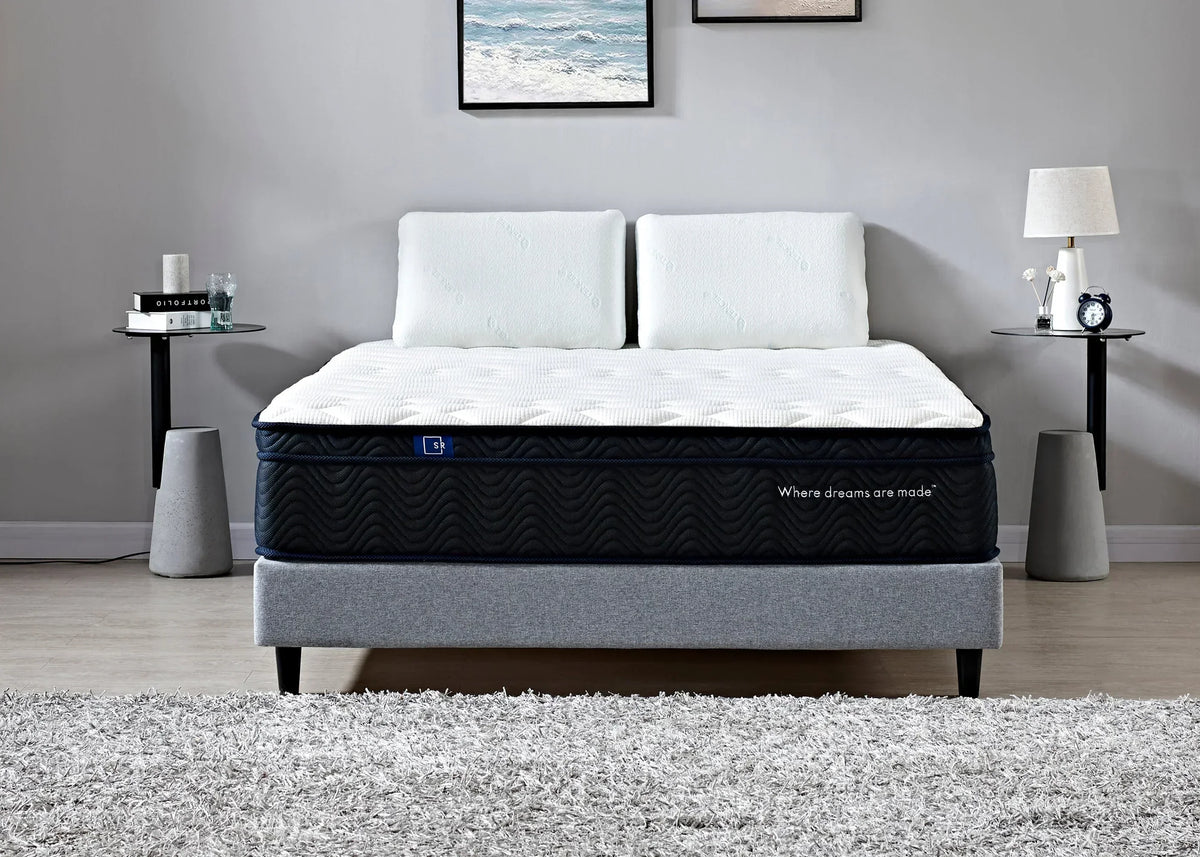


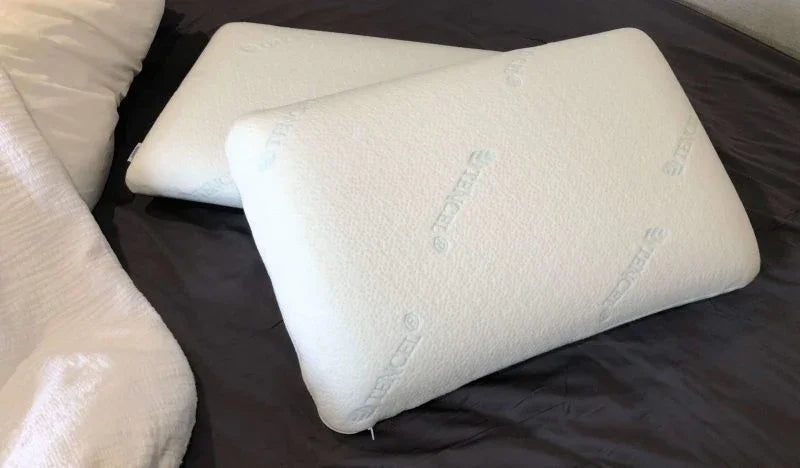
If you wake up with a stiff or aching neck, your pillow is one of the first things to investigate. A mattress supports the rest of your body, but your pillow is responsible for your neck and the top of your spine. When it is too high, too low, too soft or too hard, your neck muscles work overtime all night just to hold your head in place.
Finding the best pillow for neck pain Australia‑wide is not about chasing marketing buzzwords. It is about matching pillow height and firmness to your body, your sleep position and your preferences, then choosing materials that stay supportive through the night. Done right, you can reduce morning stiffness and help your neck finally relax.
You can explore the Sleep Republic Pillow here:
Sleep Republic Pillow
Why pillow height and firmness matter for neck pain
Your neck is an extension of your spine. When you lie down, the goal is simple: keep that line as neutral as possible. The wrong pillow forces your neck to bend up, down or sideways, putting strain on joints, discs and muscles for hours at a time.
Two elements matter most:
-
Height (loft)
- Too high: pushes your head up, bending your neck forward.
- Too low: lets your head drop back, compressing the back of your neck.
-
Firmness (support)
- Too soft: your head sinks, and your neck ends up at a different angle than when you first lay down.
- Too hard: you may get pressure points and struggle to get comfortable, causing restless sleep.
The best pillow for neck pain balances these two so your head is cradled in line with your spine, not forced into an awkward angle.
Matching pillow to sleep position
Your sleep position changes what “right height and firmness” look like. A one‑size‑fits‑all pillow rarely works for neck pain.
Side sleepers
If you are a side sleeper with neck pain:
- You need a higher pillow to bridge the distance between your shoulder and head.
- A medium to firm feel is often best so your head does not keep sinking overnight.
- The goal is a straight line from the back of your head through your neck to your upper back.
A pillow for side sleepers neck pain should fill the gap without tilting your head up or down.
Back sleepers
If you sleep mostly on your back:
- You usually need a medium‑height pillow.
- Too much loft pushes your chin toward your chest; too little lets your head tip back.
- A medium firmness that gently conforms to the back of your head and neck works well.
Back sleepers with neck pain often do best with contoured or gently curved pillows that support the natural curve of the neck.
Stomach sleepers
Stomach sleeping is tough on the neck, because your head is rotated to the side and often lifted too high.
If you cannot avoid it:
- Use a low, softer pillow or even no pillow under your head.
- Some people find placing a thin pillow under the chest or pelvis reduces strain.
For neck pain sufferers, gradually shifting toward side or back sleeping with the right pillow can help in the long run.
Why memory foam often works well for neck pain
Many people searching for the best pillow for neck pain in Australia end up considering a memory foam pillow Australia option. That is because quality memory foam can offer a useful mix of contouring and support.
Benefits include:
-
Shape‑holding support
- Memory foam responds to the shape of your head and neck, filling gaps and maintaining contact.
- It can help distribute weight more evenly, reducing pressure points.
-
Consistency through the night
- Unlike some feather or very soft fibre pillows, memory foam does not collapse into flatness.
- Your neck stays more consistently supported from bedtime to morning.
-
Design flexibility
- Foam can be shaped into contours, cooling channels and zoned support areas.
- This allows pillows specifically designed with neck alignment in mind.
The Sleep Republic Pillow uses responsive materials to give that “held but not jammed” feeling many neck‑pain sufferers are looking for.
Cooling pillow features: comfort without overheating
Support is only half the story. If your pillow traps heat, you are more likely to toss and turn—and each time you do, your neck can end up at a different angle.
A cooling pillow can help by:
- Using breathable covers that wick away moisture.
- Incorporating ventilation channels or perforations in the foam.
- Sometimes integrating cooling gel or phase‑change materials to reduce heat build‑up near your head.
For Australian nights that can swing from cool to warm, having a pillow that stays comfortably temperate helps you stay in one healthy position for longer, rather than constantly flipping to find the “cool side.”
How to tell if your current pillow is causing neck pain
Before you switch pillows, it helps to confirm that your current one could be part of the problem.
Warning signs include:
- You wake up with neck stiffness or headaches that ease during the day.
- Your pillow looks flat or lumpy, even after fluffing.
- You find yourself folding or stacking pillows to get comfortable.
- Your neck feels better when you sleep elsewhere (e.g., on a hotel pillow).
If any of these sound familiar, your pillow is either the wrong height/firmness or has simply worn out and stopped supporting your neck properly.
Step‑by‑step: choosing the right pillow for neck pain
Here is a simple way to narrow down the best pillow for your neck:
-
Identify your main sleep position
- Side, back, stomach or combination.
- Choose a pillow that primarily suits that position.
-
Match height (loft)
- Broader shoulders and side sleepers usually need higher pillows.
- Slighter frames and back sleepers often need medium loft.
-
Pick the right firmness
- Neck pain often responds well to medium or medium‑firm, rather than very soft.
- Your head should feel cradled, not perched or sinking endlessly.
-
Consider materials
- Memory foam or hybrid designs for consistent support.
- Cooling features if you often sleep hot.
-
Give it an honest trial
- Allow several nights for your body to adjust.
- If pain worsens or does not improve after a few weeks, reassess height and firmness.
How the Sleep Republic Pillow fits into the picture
The Sleep Republic Pillow is designed to tick the main boxes that matter for neck support, while still feeling comfortable and practical for everyday use.
It is crafted to:
- Offer balanced loft and support suitable for many side and back sleepers.
- Use quality foam and cover materials chosen for comfort and breathability.
- Maintain its shape night after night, rather than collapsing into a flat pad.
Learn more and check if its specifications match your needs here:
Sleep Republic Pillow
If you are dealing with ongoing or severe neck issues, combining the right pillow with professional advice from a health practitioner can be a powerful combination.
Simple adjustments that can boost pillow effectiveness
A good pillow does most of the work, but a few small changes can make it even more effective for neck pain:
-
Check your mattress
- A sagging or overly soft mattress can misalign your whole spine, making any pillow struggle.
-
Align your phone and book habits
- Avoid propping your head up on multiple pillows for long reading or scrolling sessions in bed.
-
Keep your pillow centred
- Make sure your head stays near the middle of the pillow, not hanging off the edge.
-
Replace pillows regularly
- Even good pillows wear out. If yours is several years old and flattened, it is time to reassess.
These tweaks can turn a supportive pillow into a more complete neck‑health setup.
FAQs: best pillow for neck pain Australia
Is a higher pillow better for neck pain?
Not always. A pillow that is too high can bend your neck forward and cause more pain. Side sleepers often need more height, but the goal is always a neutral neck position, not simply “higher.”
Are memory foam pillows good for neck pain?
Many people find memory foam helpful because it supports the natural curve of the neck and holds its shape better than very soft, flattening pillows. The key is choosing the right loft and firmness for your body and sleep position.
What is the best pillow for side sleepers with neck pain?
Most side sleepers with neck pain do best on a higher, medium‑firm pillow that fills the space between the shoulder and head. It should keep your neck level, not tilted up or down.
Do cooling pillows really make a difference?
If you tend to overheat at night, a cooling pillow can reduce restlessness. Less tossing and turning means your neck stays in one supportive position for longer, which can help with pain.
How long should I test a new pillow for neck pain?
Your body may need a week or two to adjust to a new pillow. If after a couple of weeks your neck pain has not improved—or has worsened—it is worth reassessing the pillow’s height and firmness or seeking professional advice.