





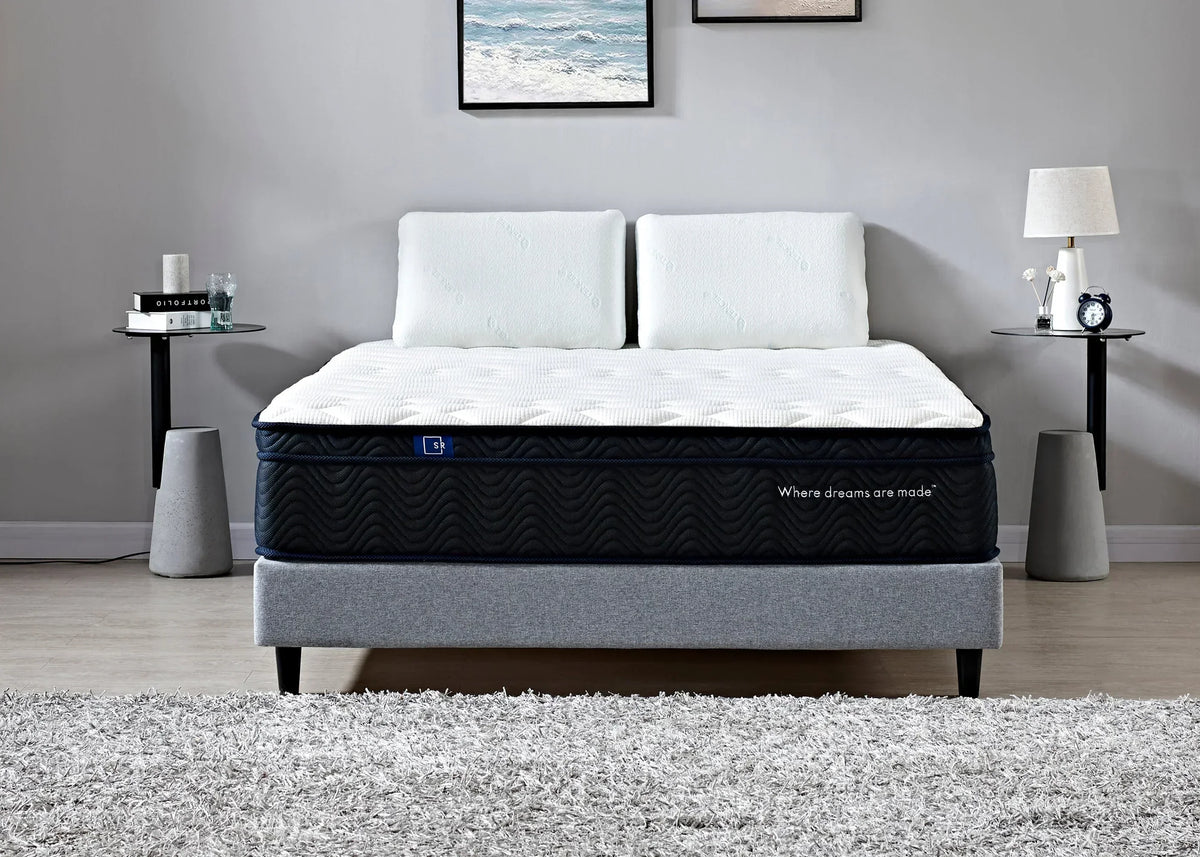


We spend around one-third of our lives sleeping, so protecting your sleep environment is just as important as choosing the right mattress. While investing in a high-quality mattress is essential, many people overlook one simple addition that can significantly extend its lifespan and improve hygiene — a mattress protector.
If you’ve ever wondered whether you really need a mattress protector, how it differs from a mattress topper, or which option is right for you, this guide breaks it all down.
At Sleep Republic, we’ve spent more than 20 years studying what creates truly restorative sleep. Here’s everything you need to know before choosing a mattress protector or topper.
Mattress Toppers Explained
What Is a Mattress Topper?
A mattress topper is a thick, removable layer placed on top of a mattress to change its feel. It’s designed to add extra cushioning, soften a firm mattress, or provide temporary comfort for a mattress that’s no longer at its best.
Mattress toppers are commonly made from:
- Memory foam
- Latex
- Wool
- Cotton or polyester blends
- Feather or down
- Bamboo cotton
When Does a Mattress Topper Make Sense?
A mattress topper can be helpful if:
- Your mattress feels too firm
- Your mattress is still relatively new and structurally sound
- You want an affordable way to add surface comfort
When a New Mattress Is the Better Option
A topper won’t fix deeper issues. You should consider replacing your mattress if:
- It’s more than 7–10 years old
- It’s sagging or uneven
- You wake up with persistent back, neck, or joint pain
A topper may improve comfort temporarily, but it won’t restore support to an ageing mattress.
Are Mattress Toppers Washable?
Most mattress toppers are washable, but care depends on the material.
- Wool, cotton, and fibre toppers: Often machine washable (check care labels)
- Foam toppers: Not machine washable and require spot cleaning
How to Clean a Mattress Topper
Option 1:
Sprinkle baking soda over the topper, leave for several hours, then vacuum thoroughly.
Option 2:
Mix water with mild detergent in a spray bottle, lightly mist the topper, blot with a sponge, and air dry.
How Often Should You Clean a Mattress Topper?
Every three months is a good rule of thumb, with more frequent cleaning during warmer months if sweating is an issue.
Mattress Protectors Explained
What Is a Mattress Protector?
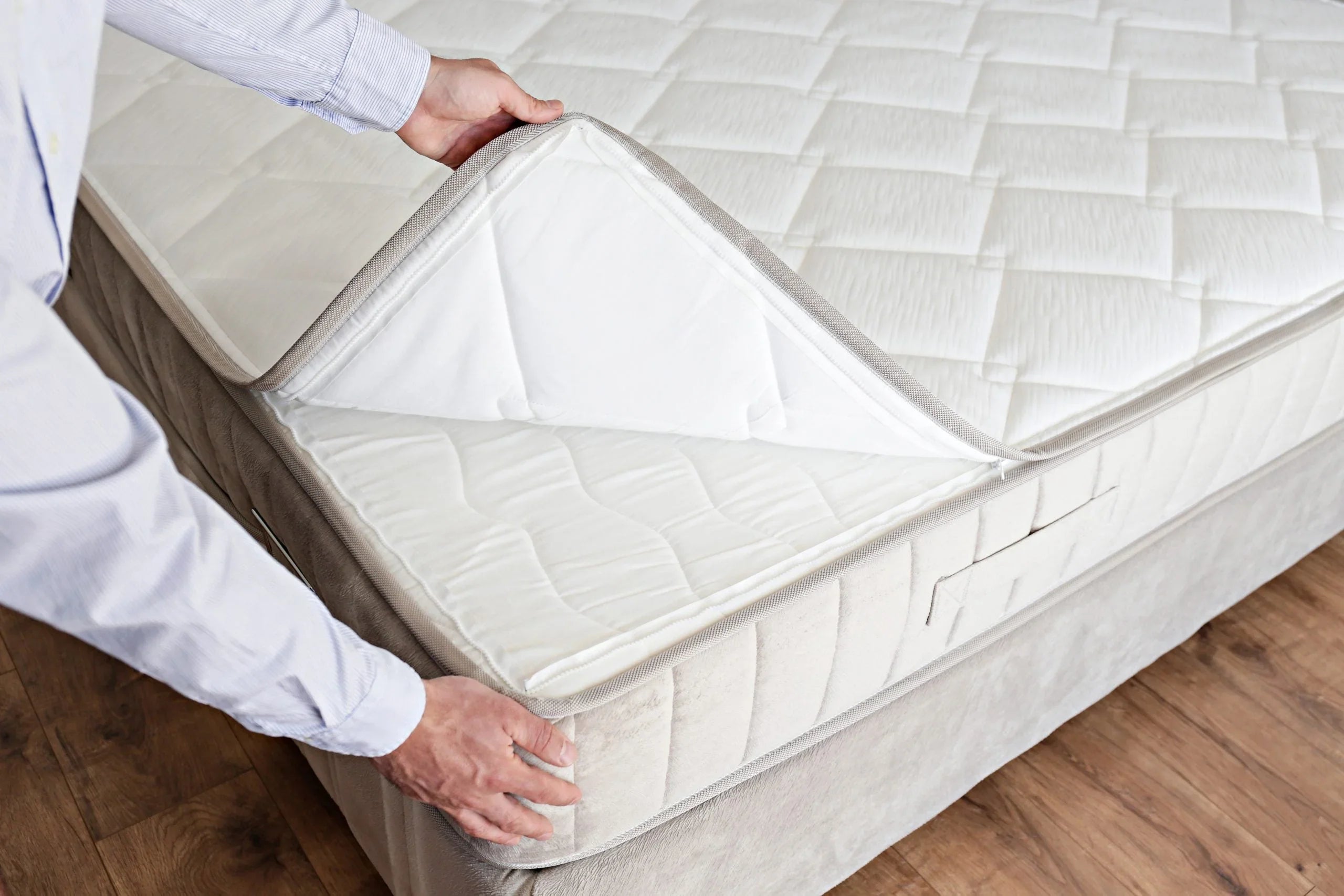
A mattress protector is a removable, fitted or encased layer designed to shield your mattress from spills, sweat, allergens, dust mites, and bacteria. Unlike toppers, protectors focus on hygiene and protection, not changing the feel of your mattress.
Different styles include:
- Fitted mattress protectors
- Elastic strap protectors
- Fully encased zippered protectors
Mattress Protector vs Mattress Topper: What’s the Difference?
While they may look similar, they serve very different purposes.
- Mattress topper: Adds comfort and cushioning
- Mattress protector: Protects your mattress from stains, moisture, allergens, and wear
A mattress protector preserves your mattress’s condition, helps maintain warranty coverage, and supports a cleaner sleep environment.
Why You Need a Mattress Protector
1. Protect Your Investment
Mattresses are designed to last 7–10 years, but spills, sweat, and stains can shorten that lifespan and void warranties. A mattress protector creates a barrier that helps keep your mattress in top condition for longer.
2. Improve Hygiene and Reduce Allergens
Mattresses can harbour dust mites, dead skin cells, mould, and bacteria. A mattress protector adds an extra defence layer, helping reduce allergy triggers and improving overall sleep hygiene.
3. Prevent Stains and Odours
From accidental spills to night sweats or bedwetting, a mattress protector makes clean-up simple. Instead of cleaning the mattress itself, you can just remove and wash the protector.
4. Comfort in Every Season
A quality mattress protector helps regulate temperature throughout the year. It absorbs moisture in summer and adds a light insulating layer during cooler months without overheating.
Are Mattress Protectors Waterproof?
Many mattress protectors are waterproof or water-resistant. Cotton blends with a waterproof membrane are especially effective, as they:
- Absorb moisture
- Block liquid from reaching the mattress
- Remain breathable and comfortable
If spills, pets, or children are part of your household, a waterproof mattress protector is highly recommended.
How to Choose the Right Mattress Protector
When selecting a mattress protector, consider:
- Correct sizing for your mattress
- Thin, breathable materials that won’t change mattress feel
- Waterproof and anti-allergy features
- Ease of washing and care
For everyday protection, a fitted, breathable protector works well for most sleepers.
You can explore Sleep Republic’s mattress protector designed to provide waterproof protection, allergy resistance, and temperature control without compromising comfort.
The Bottom Line
A mattress topper can improve comfort, but it won’t fix a worn-out mattress. A mattress protector, however, is one of the smartest ways to extend the life of your mattress, maintain hygiene, and protect your sleep investment.
After decades of sleep research and product testing, we believe every mattress deserves proper protection. The right mattress protector helps ensure your bed stays clean, comfortable, and supportive for years to come.
FAQs
Do I really need a mattress protector?
Yes. A mattress protector helps prevent stains, allergens, and moisture from damaging your mattress and supports better sleep hygiene.
Will a mattress protector change how my mattress feels?
A high-quality mattress protector is thin and breathable, so it won’t affect comfort or firmness.
Are waterproof mattress protectors noisy or hot?
Modern waterproof protectors are designed to be quiet and breathable, offering protection without overheating.
How often should I wash my mattress protector?
Every one to two months is ideal, or immediately after any spills or accidents.