







Getting quality sleep isn’t just about when you go to bed — it’s about where you go to bed. Your bedroom environment plays a powerful role in how quickly you fall asleep and how deeply you rest. From lighting and textures to window treatments, every design choice affects your body’s ability to relax.
The good news? You can create a sleep-friendly sanctuary without a full makeover. With the right balance of light, texture, and comfort, your bedroom can become a calm, restorative space that supports deeper, healthier sleep.
1. Light Layering: Setting the Mood for Rest
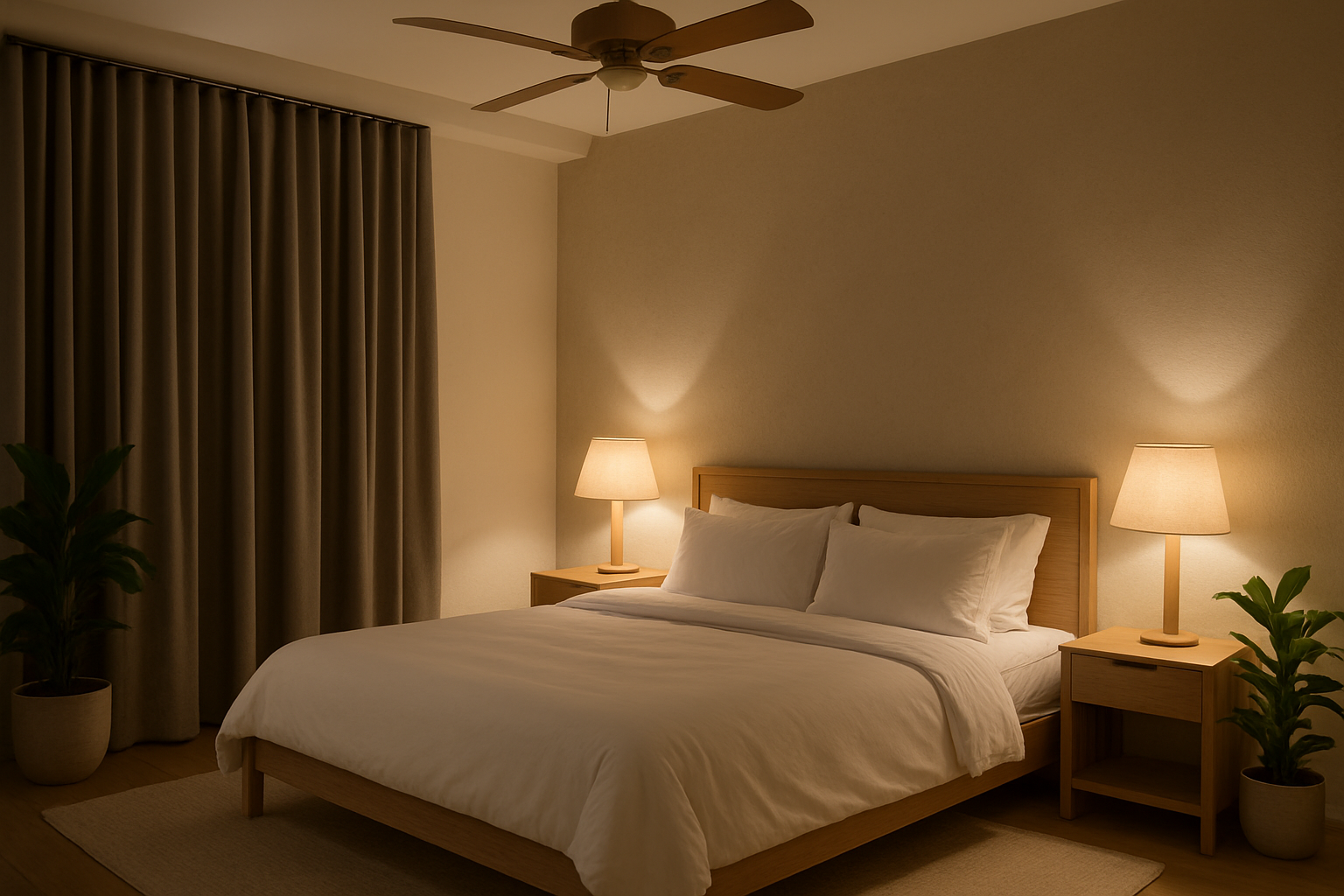
During the day, natural light boosts alertness and mood. But at night, lighting should help your body wind down. Avoid harsh ceiling lights and instead use warm, layered lighting to create a relaxing atmosphere.
-
Use dimmable bedside lamps or sconces with amber tones.
-
Add low-level lighting under furniture or along skirting boards for soft ambience.
-
Replace cool white bulbs with warm or golden light to promote melatonin production.
This gentle light layering tells your brain it’s time to rest, making it easier to transition from alert to asleep.
2. Blackout Strategies: Control the Light, Improve the Sleep
Light exposure is one of the most common causes of disrupted sleep. Even small amounts of light — from street lamps or early sunrises — can interfere with melatonin, the hormone that regulates your sleep cycle.
To create total darkness:
-
Install blackout curtains or dual-layer window treatments that combine blinds and drapes.
-
Use a sleep mask for an instant, renter-friendly fix.
-
Keep electronics and LED indicators out of sight or covered.
A darker space allows your brain to move through deeper sleep cycles, improving overall rest and morning alertness.
3. Texture Styling: Comfort Meets Calm
Textures are where aesthetics meet comfort. The right materials can instantly make your space feel cosier and more welcoming.
Opt for breathable natural fabrics like cotton, bamboo, or linen. They’re soft, temperature-regulating, and kind to sensitive skin. Mix different textures — such as quilted throws, woven cushions, and soft rugs — to create a cocoon-like atmosphere.
Avoid synthetic fabrics that trap heat or feel rough against the skin. Cooling, tactile materials help your body relax, encouraging deeper, uninterrupted sleep.
4. Don’t Overlook the Mattress
Even the most beautifully designed room can’t make up for an uncomfortable sleep surface. A mattress is the foundation of your bedroom — and your wellbeing.
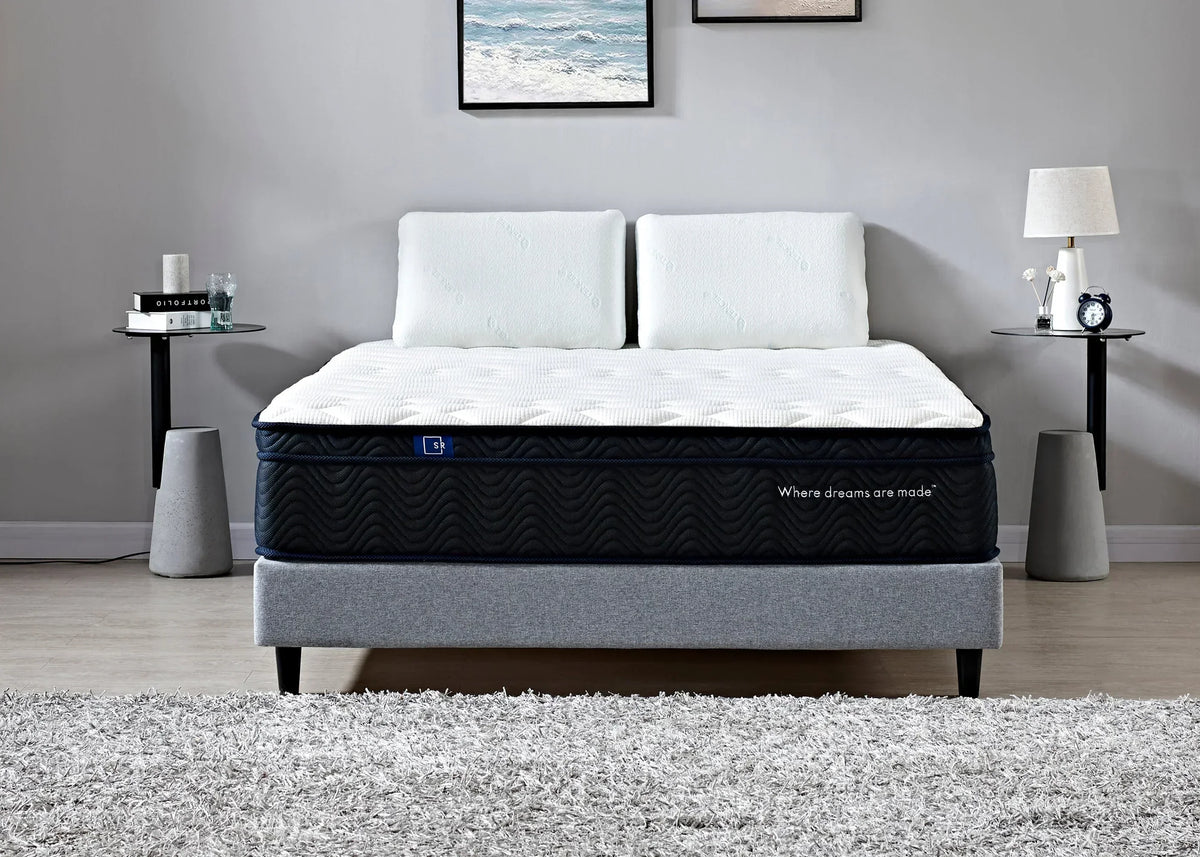
A Sleep Republic Hybrid Mattress combines the support of pocket springs with pressure-relieving memory foam and natural latex comfort layers. This hybrid design promotes proper spinal alignment while keeping you cool and supported all night.
Pair it with a sturdy Bed Base for even weight distribution, and protect it with a breathable Mattress Protector to extend its lifespan.
If you’re furnishing a guest room or smaller space, the Sleep Republic Sofa Bed offers versatile comfort and style — perfect for multi-functional rooms.
5. Bring It All Together
By combining thoughtful light layering, effective blackout strategies, and comfort-driven texture styling, you can turn your bedroom into a space that promotes real, restorative sleep.
With a supportive hybrid mattress as your foundation and the right design details in place, you’ll create a haven that not only looks beautiful but also helps you wake up refreshed, focused, and ready for the day ahead.
Frequently Asked Questions
How does lighting affect sleep quality?
Warm, dim lighting helps your body produce melatonin — the hormone that signals bedtime — while bright or blue-toned light can delay sleep onset.
What are the best blackout solutions for bedrooms?
Layered window treatments like blackout curtains paired with blinds work best. For renters, a quality sleep mask can effectively block unwanted light.
How do textures influence sleep comfort?
Natural fabrics like cotton and linen promote breathability and comfort, helping your body regulate temperature and relax for deeper rest.