







Just like humans, dogs have unique sleeping styles. Some curl up tightly, others stretch out across the floor, and some insist on leaning against something for comfort. Choosing the right dog bed isn’t just about size or looks — it’s about matching the bed to how your dog sleeps so they get the rest their body truly needs.
A well-chosen dog bed can improve joint health, reduce anxiety, support better sleep, and even improve behaviour. Here’s how to choose the best dog bed based on your dog’s natural sleeping position.
Why Sleeping Style Matters for Dogs
Dogs spend up to 12–14 hours a day sleeping, and even more as they age. Poor sleep support can lead to stiffness, joint pain, restlessness, and disrupted sleep — especially for large breeds, senior dogs, and dogs with anxiety.
By choosing a dog bed that suits your dog’s sleeping style, you help ensure:
- Proper spinal alignment
- Pressure relief for joints
- Deeper, more restorative sleep
- Better long-term comfort and mobility
The Curler: Dogs Who Sleep in a Ball
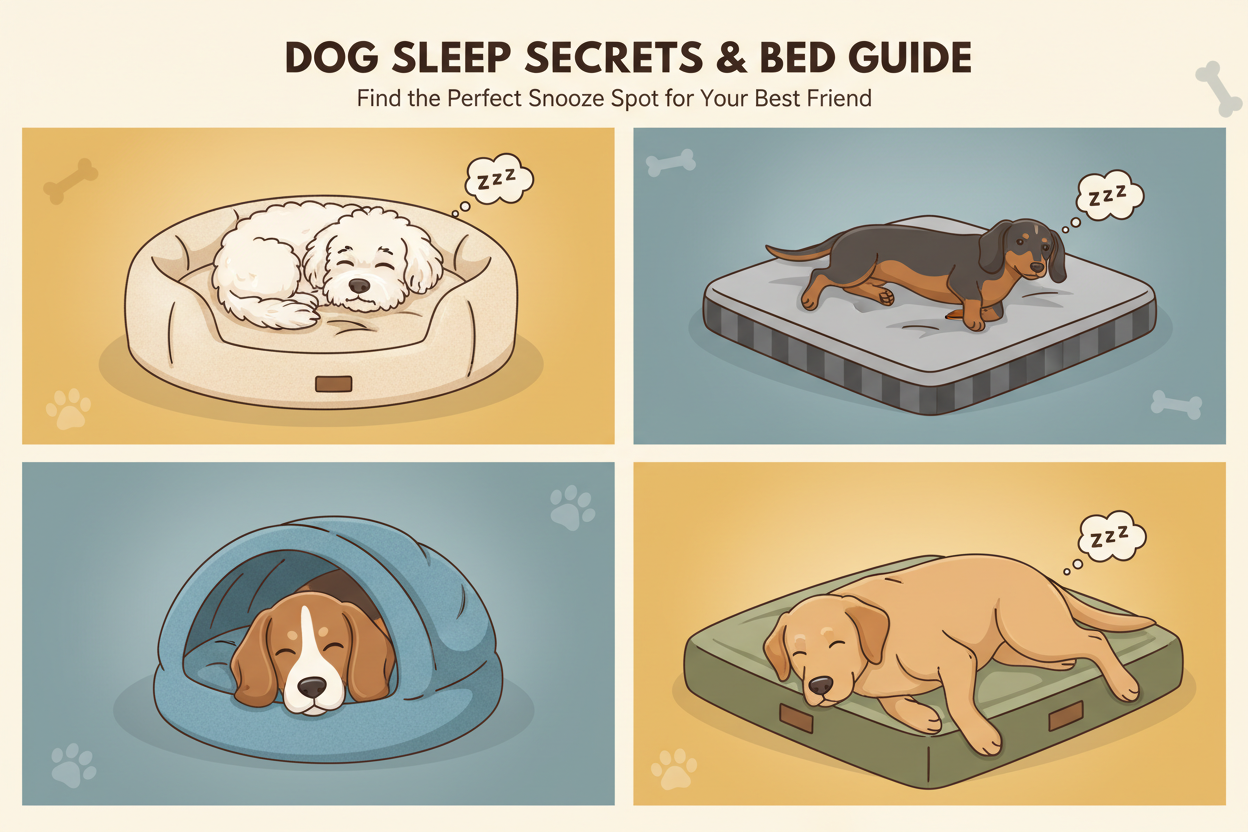
If your dog curls up with their nose tucked into their tail, they’re a curler. This position helps conserve warmth and provides a sense of security.
Best Dog Bed for Curlers
- Bolstered or donut-style dog beds
- Raised edges for head and neck support
- Soft, cushioning surfaces
These beds create a nest-like feel, helping curlers feel safe and supported while relieving pressure on hips and shoulders.
The Stretcher: Dogs Who Sleep Sprawled Out
Stretchers love to sleep on their side or fully extended, often taking up as much space as possible. This position requires plenty of room and even support.
Best Dog Bed for Stretchers
- Flat, rectangular dog beds
- Orthopaedic foam or high-density support
- Minimal bolsters to allow full extension
A supportive, spacious bed prevents joints from sinking unevenly and helps maintain healthy alignment.
The Leaner: Dogs Who Sleep Against Something
Some dogs love to sleep pressed against furniture, walls, or humans. These leaners seek comfort and stability while they rest.
Best Dog Bed for Leaners
- Beds with one or more bolstered sides
- Orthopaedic support with firm edges
- Structured beds that hold their shape
Bolsters give leaners something to rest against while keeping their spine supported.
The Burrower: Dogs Who Dig and Nest
Burrowers love to dig, scratch, and tuck themselves under blankets. This behaviour is common in smaller breeds and anxious dogs.
Best Dog Bed for Burrowers
- Covered or cave-style dog beds
- Beds with soft, flexible edges
- Washable, durable materials
Burrow-friendly beds satisfy natural instincts while creating a calming, enclosed sleep environment.
The Back Sleeper: Dogs Who Sleep Belly-Up
Dogs who sleep on their backs with paws in the air feel extremely safe. This position exposes joints and requires even support across the body.
Best Dog Bed for Back Sleepers
- Medium-firm orthopaedic dog beds
- Even, pressure-relieving surfaces
- Breathable materials to prevent overheating
A flat, supportive base prevents lower-back strain and keeps your dog comfortable for long stretches.
Consider Age, Size, and Health
Sleeping style is important, but it’s not the only factor.
Puppies
- Softer beds with washable covers
- Durable materials for accidents and chewing
Senior Dogs
- Orthopaedic foam for joint support
- Low-profile designs for easy access
Large or Heavy Dogs
- High-density foam that won’t sag
- Strong stitching and durable covers
Dogs with arthritis or hip dysplasia benefit most from pressure-relieving, orthopaedic designs regardless of sleeping position.
Other Features to Look For in a Dog Bed
When choosing the best dog bed, also consider:
- Removable, washable covers for hygiene
- Non-slip bases for stability
- Breathable materials for temperature control
- Waterproof liners for accidents
The right combination of support, durability, and comfort makes a noticeable difference in your dog’s quality of life.
The Right Dog Bed Means Better Sleep for Everyone
Choosing a dog bed that matches your dog’s sleeping style helps them sleep deeper, move more comfortably, and feel more secure. It can also reduce nighttime restlessness — meaning better sleep for you, too.
Observe how your dog naturally sleeps, match the bed to their habits, and invest in quality materials that support them night after night. A well-rested dog is a healthier, happier companion.
FAQs
Does my dog really need a specific type of bed?
Yes. Different sleeping positions place pressure on different joints and muscles. The right bed improves comfort and support.
Are orthopaedic dog beds only for older dogs?
No. Orthopaedic support benefits dogs of all ages, especially large breeds and active dogs.
How do I know if my dog’s bed is uncomfortable?
Signs include frequent repositioning, avoiding the bed, stiffness after sleeping, or choosing the floor instead.
How often should I replace my dog’s bed?
Most dog beds should be replaced every 1–3 years, or sooner if the foam loses support or the cover becomes unhygienic.