







Allergy season can make a good night’s sleep feel impossible. Between itchy eyes, sneezing, congestion, and dry throats, rest can feel out of reach. While pollen and dust in the air are common culprits, what many don’t realise is that your mattress could be making things worse.
Over time, mattresses collect allergens like dust mites, mould spores, pet dander, and bacteria — even if they look clean. These microscopic irritants thrive in warm, humid environments and can trigger reactions that leave you tired and congested before the day begins.
How Mattresses Trap Allergens
Most mattresses — especially older or low-quality foam ones — trap heat and moisture, creating the perfect environment for allergens to grow. If you regularly wake up with a blocked nose, cough, or itchy skin, it might not just be the air outside. Your bed could be harbouring hidden irritants.
During spring and summer, airborne allergens peak, worsening the problem. A mattress that isn’t designed for breathability or cleaned regularly can quickly become a haven for dust and bacteria.
Why Breathability Matters
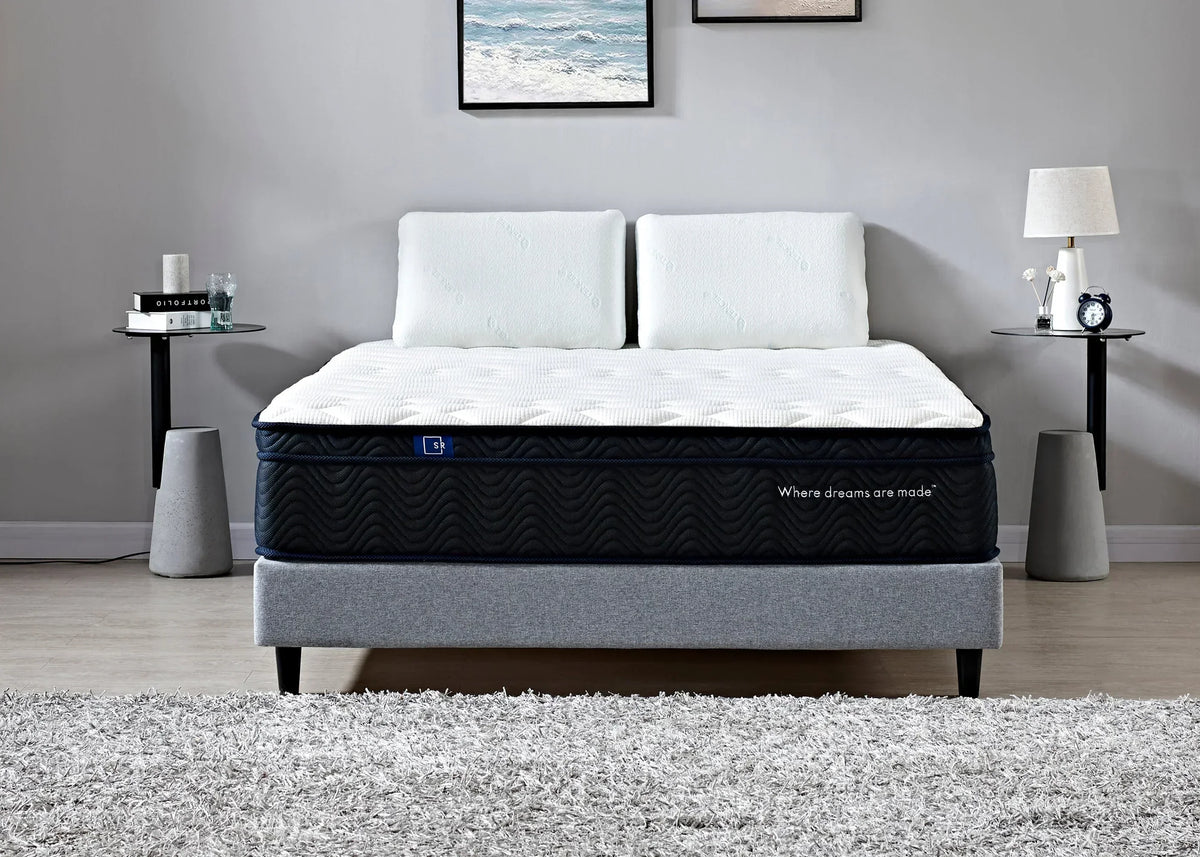
One of the best ways to reduce bedroom allergens is to choose a mattress that promotes airflow and hygiene. The Sleep Republic Hybrid Mattress is built for breathability with open pocket springs that allow air to circulate freely. This helps regulate temperature and reduce the moisture that dust mites and mould rely on.
The surface materials are also antimicrobial and resistant to bacterial growth, keeping your sleep space fresher for longer. For premium comfort and enhanced airflow, the SR Luxe Mattress combines gel-infused memory foam and natural latex for a clean, cool night’s rest.
Use a Mattress Protector to Reduce Allergen Build-Up
A washable, breathable mattress protector acts as your first line of defence against allergens. It prevents dust, sweat, and dead skin from settling deep within the mattress.
The Sleep Republic Mattress Protector offers a soft, quiet barrier that keeps your bed clean without trapping heat. Washing it weekly in hot water helps remove dust mites and pollen that might have settled during the night.
When to Replace Your Mattress
If your mattress is over eight years old or showing signs of wear, it’s likely harbouring more allergens than you can clean. Older materials lose their breathability, trapping heat and moisture that aggravate allergies.
Upgrading to a modern hybrid design can make a huge difference. Sleep Republic mattresses are built from certified, hypoallergenic materials, helping you breathe easier and sleep deeper.
You can also pair your mattress with a supportive Bed Base to improve ventilation and airflow underneath — another simple way to reduce allergen build-up.
Tips for Allergy-Friendly Sleep
Beyond upgrading your mattress, small habits can go a long way:
-
Wash bedding weekly in hot water to kill dust mites.
-
Vacuum your bedroom (including under the bed) regularly.
-
Keep pets out of the bedroom during allergy season.
-
Use an air purifier to reduce pollen and dust.
-
Keep windows closed on high-pollen days.
With these changes — and a cleaner, more breathable mattress — you can transform your nights from sneezy to serene.
Sleep Clear, Breathe Easy
Allergy season doesn’t have to mean restless nights. A mattress designed for airflow, paired with good cleaning habits, can drastically improve your comfort and breathing.
Sleep Republic makes it easy with allergy-friendly hybrid mattresses, washable protectors, and fast, free delivery Australia-wide — plus a 150-night sleep trial so you can try it risk-free.
Wake up refreshed, not congested. Breathe easier, sleep deeper, and enjoy the season again with Sleep Republic.
Frequently Asked Questions
Can mattresses cause allergies?
Yes. Over time, mattresses can trap dust mites, pet dander, and mould, which can trigger allergic reactions.
What is the best mattress for allergy sufferers?
A hybrid mattress with breathable materials and antimicrobial fabrics — like those from Sleep Republic — helps reduce allergens and maintain a cleaner sleep surface.
How often should I replace my mattress to prevent allergies?
It’s best to replace your mattress every 7–10 years. If you experience allergy symptoms or notice visible wear, consider upgrading sooner.