






Blog

The Link Between Back Pain and Mattress Support
Still waking up with a sore back? Your mattress might be to blame. Discover how poor support affects spinal health, and why a quality mattress is one of the best things you can do for long-term back pain relief. Learn more at sleeprepublic.com.au
Read more
Side sleepers’ guide to the best pillow for neck & shoulder pain
Relieve your aches and pains by choosing the right pillow for side sleeping Nobody should go to sleep dreading waking up. But when you know the first thing you’ll have to do in the morning is roll your stiff neck and stretch open your hunched shoulders, listening to the pop and crackle of your joints and vertebrae like marbles in a dryer, its only natural to get a little anxious. That’s life for far too many side sleepers. And we won’t stand for it. Fortunately, it’s a simple fix for most cases, because you’re almost certainly sleeping on the wrong pillow for your sleep position. We’re going to teach you how to choose the right pillow for side sleeping. What you’ll learn Why side sleeping causes joint pain Whether you should try other sleep positions instead How to choose the best pillow for side sleeping The best materials for side sleeping pillows Our pro tips Summary Why does side sleeping cause shoulder pain and neck pain? Side sleeping pain occurs when your pillow and mattress can’t support your spine, shoulder and neck alignment. When you sleep on your side on an unsupportive mattress and pillow, two issues inevitably occur. The first is that your spine will sink out of its neutral position and begin to bend, arch and curve. The second is that your shoulders, stacked one above the other, will misalign and slip, crumpling into each other. These joint misalignments occur subtly. Being fast asleep, you might not even notice them. But you’ll end up holding these stress positions for hours — you’ll feel them in the morning, as you well know. Side sleepers need pillows that can help maintain neck, shoulder and spinal alignment to provide shoulder relief and alleviate neck pain. Is side sleeping good or should you choose a different sleeping style? If sleeping on your side is causing you chronic neck pain, shoulder pain or back pain, you might think it’s time to just try something else — maybe stomach sleepers know the secret to shoulder pain relief, and what if those back sleepers know how to avoid a sore neck? We suggest you wait. The problem likely isn’t the position, so don’t give up on side sleeping just yet. Besides, sleeping on your side has a number of unique benefits: Side sleeping reduces snoring and the effects of sleep apnea by keeping your airways clear and open. Side sleeping improves digestion and gut health by allowing food to easily pass through your digestive system. Side sleeping promotes blood circulation to the heart, especially for pregnant women. Side sleeping relieves the pressure points on the back compared to other sleeping positions. While it’s possible to train yourself into a new sleeping position, your body knows what it naturally finds comfortable. And if sleeping on your side comes naturally, let’s try and make that work. The first step is finding the right pillow. How to choose the best pillow to alleviate neck and shoulder pain Make sure it has the supportive feel Firmness is a critical factor in choosing a pillow (and a mattress, for that matter). It can be a tough balance for side sleepers. A softer pillow can cause neck pain by being too plush to support the weight of your head. A firm pillow can be too hard to provide enough pressure relief for your muscles and joints. We recommend side sleepers use a medium/firm pillow. This balance between softness and support will keep your joints and spine aligned. Check it has the comfortable shape There’s no such thing as a generic standard pillow. The shape of every pillow varies by material, design, manufacturing process and a dozen other factors. It may take a little exploring to determine what shape works best for you. But the factor you’re looking for is support. Side sleepers benefit from pillows with a wide, flat sleeping surface that can fully support the head. Neck pain sufferers also benefit from contour pillows, which have a double-peak design that provides extra neck support for the neck. Ensure it’s the right height A pillow with the right feel and shape support the joints and muscles of the neck, but the height of a pillow, also known as the pillow loft, plays a major part in supporting your shoulders. If you have narrow shoulders and sleep on high-loft pillows, you’ll stretch the muscles in the side of your neck, shoulders and shoulder blade. If you have broad shoulders, a low-lift pillow, your unequally supported shoulders will slip and collapse. Look for a brand or design that comes in a range of heights, so that you can test them and find a supportive pillow. You can tell it’s the right loft if your chin and sternum are aligned when you’re lying on your side. Side sleepers need a taller pillow to align their neck and spine and support their shoulders equally. The best material for a side sleeper pillow When picking a pillow based on its construction materials, there are several factors to consider. Every material has its benefits — some overlap and some don’t. By now, you know you need a medium/firm, tall pillow, preferably wide and flat or contoured for extra support. But there are questions of hygiene, heat management, airflow and even sustainability that might be important for you to ask. When you know what matters to you, you’ll know which pillow to pick. This is a great time to consider the value of a good pillow protector. If you fall in love with a particular pillow, pairing it with the high-quality pillow protector can add to its benefits and overcome any shortcomings it might have. Having a machine washable cover will also help you maintain hygiene and keep your pillow clean after any spills and accidents. So, what qualities should you look for in pillow materials? Is the material breathable? Breathability is a matter of airflow and determines whether pillows sleep hot or cool. It also affects the hygiene of the pillow, as a stagnant pillow is a breeding ground for bacteria. A latex pillow is an excellent choice for side sleepers seeking breathability. They’re also quite firm and mould to the contours of the head and neck naturally. Latex for pillows can be produced naturally or synthetically. For those with health issues, an organic latex pillow is hypoallergenic and antibacterial, making it great for asthmatics and those with eczema. Memory foam pillows can also be a great choice, depending on the quality of the foam. It’s an extremely popular material because its ability to gently conform to the head and neck in any position at any angle makes it extremely comfortable. But lower quality memory foam pillows aren’t very breathable, absorb body heat and sleep hot. However, a high-quality memory foam pillow can deliver cooling breathability while maintaining its firm support. Covering it with a breathable quality mattress protector will make it even better. A great choice for side sleepers to consider. Are the materials natural and organic? Wanting natural materials might be a matter of personal values. Of course, it always feels good to do good. But organic materials also make for a comfortable and hygienic pillow, too. We’ve already mentioned the benefits of latex, but cotton, bamboo and cellulosic fibres (refined wood pulp) are great elements to look out for. Each of these materials is hypoallergenic, breathable and extremely soft. Can the pillow wick moisture and stay odour-free? Moisture-wicking is a vital quality for warm summer nights, or for those who sleep hot generally. For side sleepers, whose faces are pressed against their pillows all night, having a pillow that’ll stay dry and cool and disperse odours is a pretty big benefit. Bamboo and Tencel have great moisture-wicking properties, as does polyester. This quality also inhibits bacteria growth, and hygiene is always a major plus. Side sleepers should consider a pillow with a firm, supportive core and a breathable, cool and hypoallergenic pillow protector. Final tips Always check the trial period Whether you buy it online or test it in-store, the true value of a pillow reveals itself over time. The only way to be sure that your pillow is giving you support your side sleeping demands is to take the time to settle into it. That takes at least a month. The trial period allows side sleepers to test if their new pillow contours to their neck, supports their shoulders and wicks away odours and stays cool through the night. A strong trial period is also an indication of quality. Reputable manufacturers are always confident in their products, after all. Side sleepers should consider pillows with a 100-night trial period, minimum. Get a pillow for your knees While we’re trying to solve the problem of neck and back pain, we cannot afford to overlook the hips. The hips are just as susceptible to misalignment and slipping as the shoulders are, and you can’t keep your spine aligned if your hips are askew. Side sleepers with hip pain and misalignment should consider getting a medium/firm hybrid mattress. That will give their entire body the support their sleep position needs to alleviate pain. But, barring that option, you could make do by tucking a pillow between your knees. You’ll need a pillow that’s thick enough to keep your knees and hips neutral and aligned. This simple trick can make a huge difference to your comfort. Still, the only long-term solution is to get yourself the right mattress for side sleeping. In summary: what is the best type of pillow for a side sleeper? The best pillow to help side sleepers overcome their back and neck pain: has a medium/firm feel to support the neck, shoulders and spine in a neutral position has a wide, flat surface to evenly support the head, or is contoured for added neck support is the right height to keep the shoulders comfortable stacked is breathable and sleeps cool is hypoallergenic With a pillow that meets these criteria, a side sleeper is well on their way to a better night’s sleep and pain-free morning. Our recommendation is the Sleep Republic memory foam pillow. It has a medium/firm feel and comes in two heights for side sleepers to choose from. Plus, it has a 6-year warranty and a 100-night trial. Give it a try and say adieu to shoulder and neck pain.
Read more
How to sleep more comfortably with back pain
Get a better night’s sleep and reduce your back pain We spend almost half our lives in bed. But insomnia may not be the only thing preventing you from getting a good night’s sleep. Back problems are both painful and hard to navigate when it comes to lying down at night. Thankfully, there are some easy ways you can reduce your back pain so you can catch some z’s. What caused it? Have you worked out why you get back pain? You may have pulled a muscle or strained a ligament, in which case all you can do is rest. But if you’ve ruptured or slipped a disc in your back, suffer from arthritis or osteoporosis, or your back pain is severe and debilitating, you should see your doctor. Sleeping positions According to American website Healthline, research has shown that people with sleeping problems are more likely to develop chronic musculoskeletal pain. And where do many sleeping problems stem from? The way you lie in bed. Lying on your side If you lie on your side, you should support your hips by placing a pillow between your bent knees. If your bed is soft, or saggy, place a pillow beneath your waist. Lying on your back Sleeping on your back is all about retaining the natural shape of your spine. You can promote this by lying flat on your back as you are falling off to sleep, and returning to this position if you wake up during the night. It’s also a good idea to spread your legs and arms to distribute weight and pressure around your mattress. Lying on your front Lying on your front can create the most problems. If this is your favourite way to sleep, there a few things you can do to reduce the risk of hurting your back. Don’t bend or twist your neck too far forwards, backwards or to the side. Place a pillow under your chest and make sure you sleep on a supportive mattress. Choose the right bed You’ve got to start with the right equipment. Nothing else will matter if you’re not sleeping on the right mattress, and using the best kind of bedding and pillows. We’ve spent years researching what makes a mattress both comfortable and supportive, which lead us to The Mattress. It features HD Pocket Springs for optimal support, and gel infused memory foam plus a latex pillow top for the ultimate comfort. It’s not too soft, and not too hard. Best of all? If you don’t like it, you can return it with our 150 nights guarantee. Pair it with The Pillow and the right kind of sheets, and you’ll have the best night’s sleep. Sleeping ‘aids’ Sometimes, back pain can be the result of lots of tossing and turning throughout the night. If you struggle to get to sleep, or stay asleep, you should look at investing in products and activities. Melatonin You can pick up homeopathic melatonin tablets but these are often diluted. If you want the stronger stuff, head to your doctor and chat to them about the benefits of taking a melatonin supplement. Melatonin is a natural product, one that we all produce throughout the day. It’s a vital hormone which helps regulate circadian rhythms (sleep cycles). Valerian Valerian is a flower. It features in many herbal teas aimed at helping you sleep and companies like Blackmores and Swisse sell valerian tablets. It’s the most effective after you’ve taken it for a couple of weeks, and it may interact with other drugs so talk to your doctor if you’d like to try it out. Visit a professional While it may be tempting to treat your pain yourself, there are a range of services which specialise in treating back pain. You should book yourself an appointment with: Acupuncture: A licensed accupuncturist will use needles to stimulate different systems in your body. It’s very effective for things like muscle inflammation. Osteopathy: Osteopaths manipulate your body and stretch your muscles. They reposition your limbs and use massage to relieve muscle tension. Physiotherapy: A physiotherapist will treat your body using exercise, massage, and manipulation. Chiropractor: A chiropractor uses hands-on spinal manipulation and other alternative treatment to align your body. Avoid alcohol Many people mistakenly believe a nice ‘nightcap’ at the end of the day will help them nod off to sleep. Studies show that the opposite is true. Alcohol may help you initially fall asleep quickly, but it reduces the REM (Rapid Eye Movement). REM is a vital part of your sleep cycle. It’s the part of sleep where you brain forms neural pathways and cements information you’ve learned throughout the day. When you sleep after a heavy night of drinking, you are more likely to sleep in a way which will cause back pain. Consider going sober for a month, and see if it makes a difference to your quality of life. You’d be surprised how good you may feel. Stretch your muscles Back pain can stem from a lack of muscle strength. Activities like pilates and yoga have been known to help those suffering from mild and acute back pain – plus, they’re great for your mind, too! Exercise triggers an increase in your core body temperature, and the post-exercise drop in temperature can make you sleepy. Studies have also shown that exercise also helps to regulate your circadian rhythm. Everyone’s sleep cycle is different, so to work out what time to exercise you can experiment. Try exercising in the morning, afternoon and evening to see which works best for you. Now you have the information, you can say goodbye to back pain and hello to a better night’s sleep. Start the process by setting yourself up with The Mattress today.
Read more
Pain In The Back? Why Your Mattress Might Be The Culprit
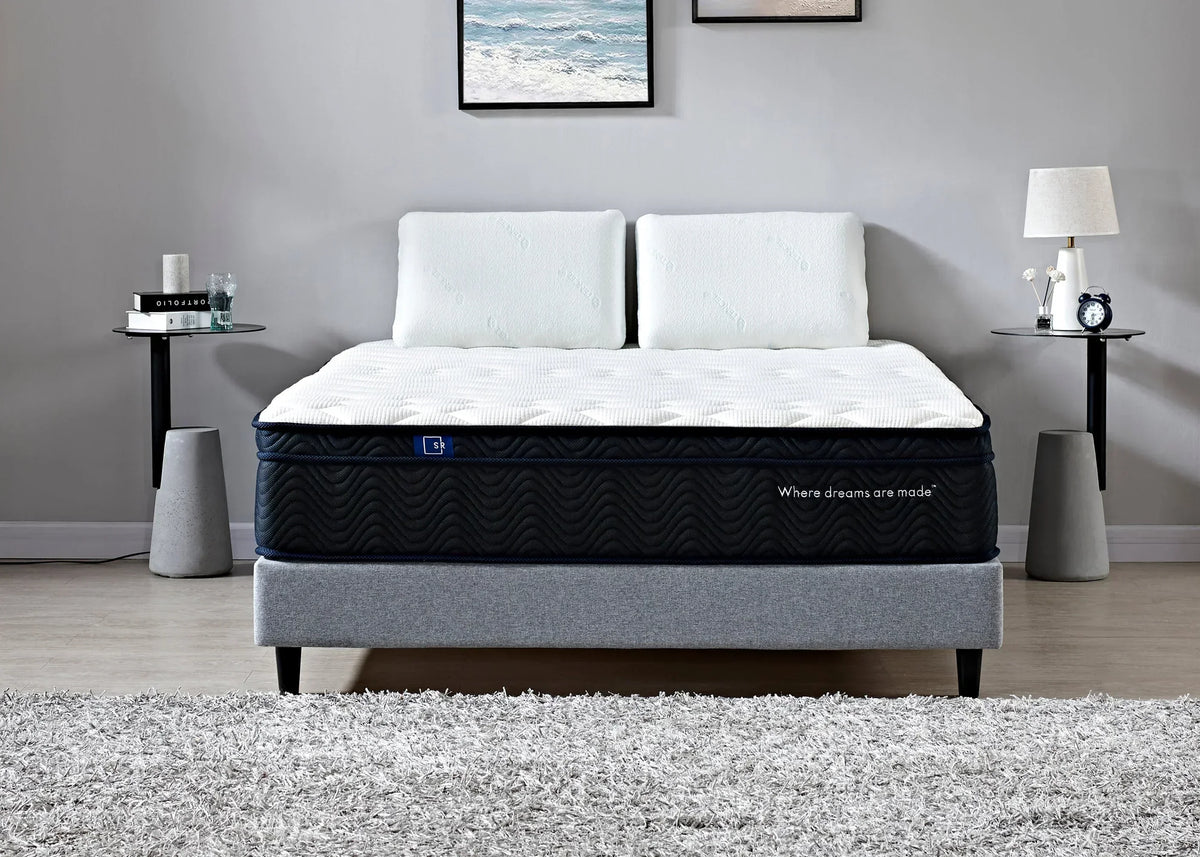
According to a 2014-2015 National Health Survey, 1 in 6 Australians have experienced lower back pains. The same research estimates that a further 70% to 90% of the population will experience back pains at one point or another. Back pain is a persistent problem for Aussies, stemming from a variety of sources. In some instances, a simple lifestyle change can be the remedy you need. However, if you’re experiencing spasms or any other pain in your back with no medical explanation, it may be time to start shopping around for a better mattress. How to know if your mattress is to blame As mentioned, there are many possible causes of back pain. However, there are a few clues to look out for if you suspect that your bed is the culprit: Discomfort or restlessness, while you try to sleep, can be a sign of using the wrong mattress. You shouldn’t feel back pain first thing in the morning. If you do and the pain goes away during the day as you move around, your bed may well be the culprit. Feeling like your mattress is lumpy or you are slumping in bed? Your mattress needs an upgrade. What to look for in a mattress When you sleep, your spine should be in a neutral position and should be supported throughout your whole body. A medium/firm mattress is best for this because if your mattress is too soft, your body will “sink” and your spine won’t be aligned. Many believe that memory foam will give you the best support, however in the foam vs spring debate, the springs come out on top. Pocket springs give you full body support that just can’t be matched by memory foam slab mattresses. The perfect combination of pocket springs, latex and memory foam in the Sleep Republic mattress makes it ideal for a comfortable and supportive sleep with no back pain! Learn more about our revolutionary pocket spring mattress design. With a 150 night trial and free delivery & returns, what’s not to love?
Read more