






Blog

Sleep Republic named best pocket spring mattress by CHOICE
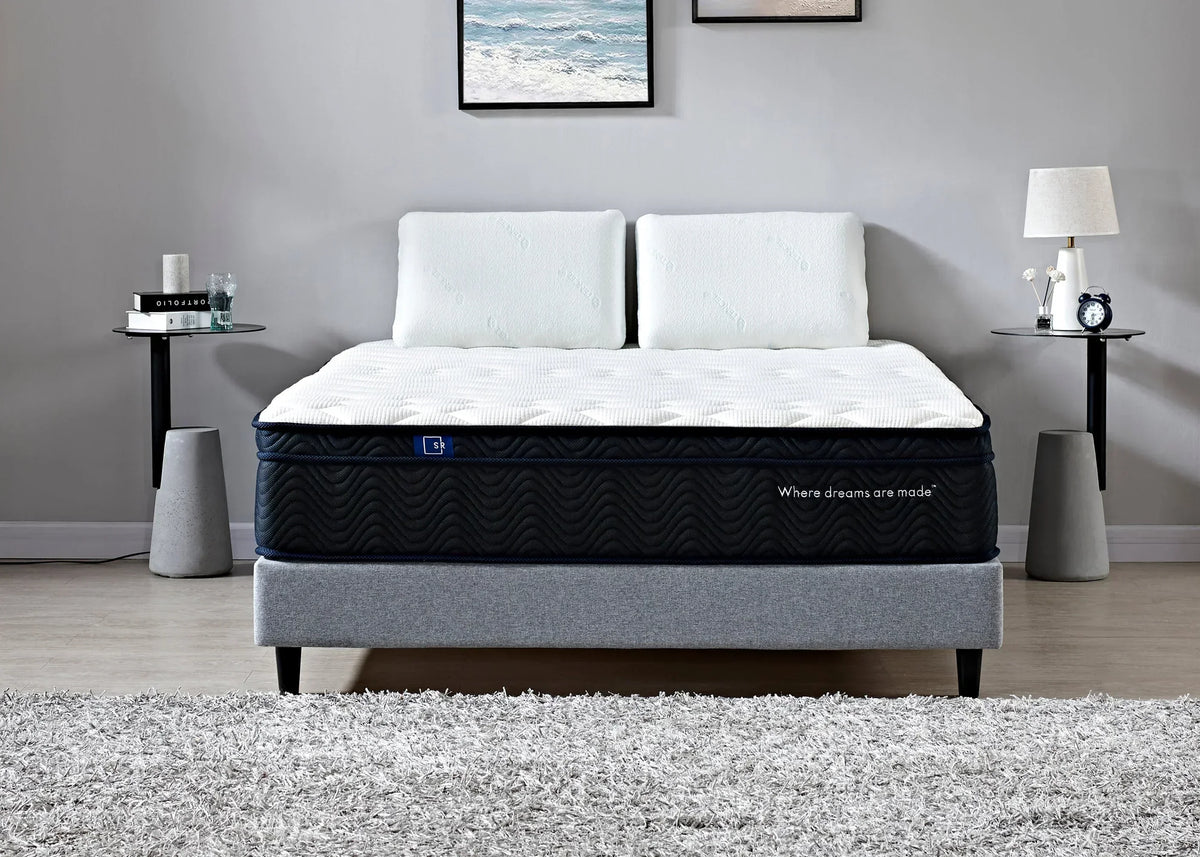
The only mattress to win top awards from both Bedbuyer and CHOICE CHOICE is trusted by millions of Australians. Run by the Australian Consumers’ Association, CHOICE has an uncompromising methodology for testing mattresses. In exciting news, CHOICE has named Sleep Republic the highest rated pocket spring mattress in the country. This honour comes hot on the heels of Bedbuyer — another quality consumer advocacy organisation — naming Sleep Republic Best Overall mattress in a box for two years running. From fluid resistance to durability, the CHOICE team found lots to like about the Sleep Republic mattress. Read on to discover some of the key features about the Sleep Republic mattress that CHOICE found to be particularly impressive. Independent experts are raving about the Sleep Republic mattress, but don’t take their word for it. We’ve got a 150 night free trial, with a full refund if you don’t love the mattress. Find out more about what makes the Sleep Republic mattress special. The Sleep Republic mattress is incredibly resistant to sagging Some mattresses sag over time. To test mattress, CHOICE uses a cask-shaped roller over a mattress again and again, simulating eight years of use. The mattress’s height and firmness are measured before and after the experiment. On the CHOICE sagging test, Sleep Republic’s mattress achieved a near perfect score. That means when you buy a Sleep Republic mattress, you’ll be able to enjoy the extraordinary support and cushioning night after night. Perfect sweat repellant People sweat when they sleep, and smelly, yellowing mattresses get to be that way because they absorb sweat. The exception? Sleep Republic’s sweat repellent mattress. Lower scoring mattresses on the CHOICE sweat repellent test tend to absorb moisture. The mattress quality will deteriorate over time as a result, and become odorous. The Sleep Republic mattress, on the other hand, gets a perfect score from CHOICE. The CHOICE testers discovered that the Sleep Republic mattress did not retain any fluids, meaning that even the sweatiest sleepers can use the Sleep Republic mattress without fear. Easy to transport The CHOICE team also noted that our mattress in a box comes with wheels, making it easy to transport. So, not only is the Sleep Republic mattress comfortable and durable, it’s also conveniently packaged and easy to move. It’s just one of the many small and delightful finishing touches that makes our mattress stand out. Very high scores for comfort retention As well as the aforementioned sag resistance, the Sleep Republic mattress was also tested for comfort retention. This test subjected the mattress to regular wear and tear equivalent to years of use, and then evaluated whether the mattress retained a high level of comfort. The results were outstanding. In both the male and female categories, where comfort is tested for different body types and shapes, the Sleep Republic mattress was demonstrated to stay very comfortable. It’s official, with Bedbuyer and CHOICE recognise the Sleep Republic mattress as one of the best pocket spring mattresses in Australia, and will stay great for years to come. Find out more about our mattress and start sleeping better ASAP.
Read more
Everything you need to know about getting a good night's sleep
Sleep better, and make yourself happier, by finding out about the science of sleep It was E. Joseph Cossman who once said “The best bridge between despair and hope is a good night’s sleep” — which happens to be the 53rd most famous quote about sleep. It might, however, be 1st for importance. Sleeping well can revolutionise your life, and help you face the slings and arrows of outrageous fortune that are sure to come your way. At Sleep Republic, we know a thing or two about sleep. We’ve spent years researching sleep technology and engineering to bring you an award-winning mattress. Read on to reap the fruits of our labour, and find out more than you ever wanted to know about the sensational science of sleep. See for yourself why the Sleep Republic mattress has won multiple awards, and helped countless Australians reap the reward of restfulness. Find out more about our mattress, which can be ordered online and delivered directly to you. How do you improve your sleep? Across the country, there’s an epidemic of bad sleep. Many people aren’t getting enough sleep, and what little sleep they do manage to get is broken, light and ineffective. How do you sleep better? The answer is multifaceted. In this article, we will tackle some of the common problems people have with their sleep, and also suggest some remedies for those issues. We’ll focus on things like: Getting to sleep quickly, and spending less time and effort trying to fall asleep Getting the right amount of sleep for your age, and also for you as an individual Rejuvenating your body and mind with deep, REM sleep Putting sleep patterns in place to make great sleep part of your everyday routine Finding the tools you need to banish discomfort and maximise quality sleep time Is it possible to get to sleep more quickly? You lie in bed, tossing and turning, yearning for Mr. Sandman to pay you a visit and send you to the Land of Nod. Must it be thus, or is it possible to get to sleep more quickly? Here are a few tips we’ve found for hastening the deepening of your sleep. Turn off your screens Although the information contained within this article is, no doubt, vital for helping you sleep well, reading this article on a screen probably isn’t helping you to fall asleep. Looking at a screen can keep you awake for as long as an hour. So, if you’re in bed, trying to get to sleep while intermittently checking your phone and/or reading articles about going to sleep, a good first step is to switch off your device. Relax The more relaxed you are, the more likely you are to fall asleep swiftly. So, if you’re having trouble dozing off, do something relaxing. Take a bath, listen to some soothing music, go for a walk, or drink a cup of tea. Get a better mattress Potentially, we’re biased on this point. As a mattress manufacturer, we put a pretty high emphasis on the importance of having a quality mattress. A mattress is by no means the only worthwhile piece of somnus paraphernalia — sheets, pillows and a bed base all have their part to play — but a mattress might just be the most important component of all. If you’re not comfortable on your mattress, you’ll have trouble falling to sleep quickly. It’s as simple as that. And, mercifully, there is a convenient solution: a 150 Night Trial on a Sleep Republic mattress. How much sleep do I need? This might seem a straightforward question, but it’s actually a deceptively tricky one. There’s a difference between how many hours a person needs to sleep each night, and how much effective, restful sleep they actually achieve. To further complicate matters, we need different amounts of sleep at different times in our lives. And to make it even more complicated, some people seem to need more sleep than others, and the causes for this are often unknown. People of different ages need different amounts of sleep Studies indicate that the amount of sleep a person needs will vary over the course of their life. Here is an approximate guide to the number of hours of sleep a person needs to be based on their age: 0-3 months old: 14-17 hours 4-11 months old: 12-15 hours 1-2 years old: 11-14 hours 3-5 years old: 10-13 hours 6-13 years old: 9-11 hours 14-17 years old: 8-10 hours 18-64 years old: 7-9 hours 65+ years old: 7-8 hours Some people need more sleep than others Some people seem to function well on almost no sleep at all. There are many anecdotal cases of politicians, military leaders and billionaires who thrive professionally and sleep as few as four hours a night. Most people, however, need to slumber for far longer, and it is well established that not getting enough sleep can be detrimental to your health. The important thing is to find out how much sleep your body comfortably requires, and to ensure you sleep effectively by getting enough good, deep REM cycles. What is REM? Often, when people talk about REM, they’re referring to the American rock band known for hits like Losing My Religion and Shiny Happy People. But in the context of sleep, REM almost always stands for ‘Rapid Eye Movement’. There are several stages of sleep, and the deepest and most restorative of these is REM. During REM, people experience: The eyes moving rapidly Increased heart rate Irregular breathing Raised blood pressure Higher levels of oxygen being consumed by the brain Twitching in limbs and the face REM tends to happen while a person has their most intense dreams. Although much is still unknown about REM sleep, it is believed to help people improve their mood, capacity for memory, and learning abilities. How much REM sleep do you need? REM makes up a surprisingly small portion of the average person’s sleep each night. Within 7-9 hours of sleep, a normal amount of REM sleep might only be 90 minutes. The normal amount of REM sleep you get tends to decline with age. Older people might experience very little REM sleep, while some infants experience greater than 50% REM sleep. A lack of REM sleep can cause emotional and cognitive problems, and is linked to a host of different medical issues. If you’re not getting enough REM sleep, this is likely because you’re not sleeping very deeply through the night. There are a number of remedies you might like to pursue. Why can’t I sleep? Sleep, as we have outlined, is absolutely necessary for your health and happiness. And being unable to sleep? It’s wretched. The medical term for this awful state of affairs is ‘insomnia’ which is Latin for ‘without sleep’. The remedy for not being able to sleep will differ, depending on the root cause of the problem. Here are a few common issues people tend to have with their sleep, and what to do to remedy those issues. Poor sleep patterns Human beings are creatures of habit and routine, and having a disjointed sleep pattern can make getting to sleep extremely difficult. Issues getting to sleep are common with people who work irregular hours, like doctors, nurses, employees in the hospitality industry, and performers. It’s not always possible to set regular, healthy sleeping patterns. But as much as it is within your power, try going to sleep and getting up at a similar time each day. This should help with your sleep. A guilty conscience When Midnight Oil front-person Peter Garrett sang “How do we sleep/ while our beds are burning?”, he wasn’t necessarily referring to the actual, literal fire consuming his bed. Rather, he was referring to the metaphorical burning of a guilty conscience. Emotional and intellectual problems can have a terrible impact on your sleep. Even a spiritual crisis can cause poor sleep, and this is what the Spanish mystic St. John of the Cross was referring to when he wrote about ‘the dark night of the soul’. At Sleep Republic, we partner with The Salvation Army to either donate or recycle all returned mattresses. Also, all of our foam is CertiPUR-US® certified, which is better for you and better for the planet. That’s just two of the ways we ensure we’ve made an ethical mattress, to help you get to sleep. The wrong mattress An uncomfortable mattress, or one that has too little support, can be just as disruptive to your sleep as those other problems. However, unlike an unstable routine or a guilty conscience, it is easy to find a convenient solution to having the wrong mattress. Just get yourself the right mattress instead, and start improving your sleep. Can you buy anything to help you get a better night’s sleep? There are many sleep aids and supplements on the market, and countless products which cite improved sleep as one of their benefits. Prospective sleep-aids include: Magnesium Lavender Vitamin D Chamomile tea Warm milk Earl grey tea Fennel tea Green tea Some people swear by these purported sleep-cures, while other people have no such luck. Whether or not they work for you will probably be a matter of personal taste; if you love the taste of warm milk, you may find it to be a relaxing and effective catalyst for getting to sleep. However, if you’re lactose intolerant, that glass of milk is rather more likely to cause you digestive problems and keep you awake all night long. One sure-fire item to help you sleep better at night is a quality mattress, with a high level of support. Even if you find a kind of tea that helps you get to sleep, if you’re nodding off on a bad mattress then the aches and pains you’ll feel the next morning will still encumber you throughout the day. Try the Sleep Republic mattress for 150 nights, and if you’re not fully satisfied, send it back for a full refund. Read more about the Sleep Republic mattress, and get yourself a great night’s sleep ASAP.
Read more
Can music make you sleep?
Tired of trying to get a good night’s sleep? Learn how music can break the cycle of sleeplessness. When you can’t sleep, you may find your mind racing with thoughts and your body tossing and turning. That’s when a question arises: how to fall asleep in a matter of minutes? A ruffled mind makes a restless pillow, says Charlotte Bronte. Research shows that relaxation is the key to falling asleep. Have you seen how babies fall asleep to lullabies and gentle music? Listening to music calms down our nervous system, the endocrine, and psychological stress response and makes us feel relaxed and at ease, which can aid sleep. Millions struggle to fall asleep every night. Are you one of them? By adopting the right approach, you can sleep as peacefully as a baby. What you sleep on can also affect sleep. With Sleep Republic mattresses, experience cloud-like comfort and doze off within a matter of minutes. Know how our mattresses have helped people fall asleep. How can music help you sleep better? Stress, anxiety and depression affect our physical and mental health. The elevated levels of stress, anxiety and depression keep our minds alert and, it also lead to poor sleep and other sleeping disorders. Are you having a rough night, tossing and turning? Switching on a little bit of music can aid in achieving a good night’s sleep. Music is a cost-effective and natural way to get better sleep. Researchers who studied the effect of music on sleep reported that listening to soft and gentle music lowers the heart rate, reduces stress and anxiety levels, and completely relaxes the body and mind. Music also effectively distracts the person from stressful thoughts and depressive feelings that could be keeping the person away from sleep. Reduction in the stress and anxiety levels enables one to fall asleep quickly and, in turn, improves the quality of sleep. What kind of music can make you sleep fast? Are you wondering which music can help you catch better Zs? Lyz Cooper of the British Academy of Sound Therapy says that music that has positive memory association and that reminds us of a relaxed and happy time can help. Research studiesalso reveal that listening to songs with ideally 60-80 beats per minute can calm you down and prepare your body and mind for better sleep. In particular, classical music and the sounds of nature are highly effective to achieve a night of peaceful sleep. But what works for one may not work well for others. How a person’s body and mind react to these types of music may differ from person to person due to individual preferences. You will have to experiment and see what kind of music works well for you. Which are the best songs that will make you fall asleep faster? Not all songs and music can make you sleep. Below is a list of calming songs and music that may help break the cycle of sleeplessness and help you drift off. Have they been scientifically proven to help? Not yet! But millions of happy sleepers can’t be wrong. Marconi Union – Weightless Max Richter – Dream 3 Coldplay – Strawberry Swing Claude Debussy – Clair De Lune Adele – Someone Like You All Saints – Pure Shores DJ Shah – Mellomaniac (Chill Out Mix) Barcelona – Please Don’t Go Airstream – Electra Rue du Soleil – We Can Fly Mozart – Canzonetta Sull’aria Enya – Watermark What else works best for good sleep? Apart from music, the mattress also plays a crucial role in achieving a peaceful and good night’s sleep. If you are not sleeping well, your mattress might also be a cause for ruining your sleep and keeping you awake. When you are choosing your mattress, choose the one that’s right for you. Some prefer a softer mattress, whereas others prefer firmer ones. Are you looking for a mattress that offers extreme comfort? Try Sleep Republic’s hybrid mattresses. Discover the comfiest and supportive range of our hybrid mattress. We’ve designed our mattress to provide the utmost comfort and support so that you get your fabulous pink sleep every day. Rise feeling calm and refreshed, and shine the rest of the day.
Read more
Apps to help you track sleep and improve sleep
Wondering if apps can help you track and improve sleep? Find out how sleep tracking apps can benefit you. Want to improve your sleep cycle? Technology can give you a helping hand. Many sleep tracking apps introduced in the market not only tracks your sleep but also helps to improve your sleep hygiene routine. Poor quality sleep causes various mental and physical health issues. It can make you feel drowsy and grumpy, loss of interest, mood changes, difficulty thinking and concentration, heart diseases, and weakened immunity. Do you want to have undisturbed beauty sleep? Only a fool will break your sleep. Experience unlimited hours of undisturbed bedded bliss with Sleep Republic mattresses. Know how our mattresses have helped hundreds and thousands to achieve their beauty sleep every night. How do apps help to track sleep and improve the sleep cycle? Wondering how tracking your sleep will help you to improve your sleep routine? Tracking your sleep will help you to understand if you are getting enough quality sleep or not. The information you get after monitoring your sleep with sleep tracking apps will help you identify the factors that interfere with your healthy sleep and provide feedback on how to improve your sleep hygiene routine. If you think that wearing a watch or a fitness band while sleeping is the only way to track your slumber, you might be wrong. You can track your sleep with your mobile sleep tracking apps, too. How do mobile sleep tracking apps work? In a mobile sleep tracking app, your phone uses its built-in accelerometer to determine the quality of your sleep. Running few algorithms and statistical analysis, the sleep tracking apps interpret data about the movements and records your snoring and other noises you make while you are fast asleep. Once you are awake, you will be able to see how well you slept last night. Based on the results you get, you can make changes in your lifestyle to improve your sleep. Besides tracking your sleep, these apps can also help you doze off with the soothing music or sounds of nature. What are the best apps that can help you track sleep and improve sleep? Looking for the best apps for your Android or iOS device to track and promote sleep? After a lot of research, reading hundreds of reviews and testing apps, we have compiled a list of 7 popular sleep tracking mobile apps that will help you track your sleep and improve your sleep hygiene so that you wake up feeling charged. SleepScore SleepScore is available for both iOS and Android devices. This app helps to track and analyse different sleep patterns and provides personalised recommendations to improve sleep. It also understands the number of people sleeping on the bed and ensures tracking is correct. Sleep Cycle Sleep Cycle has got an excellent sleep tracking technology. It is available for both iOS and Android devices. This app tracks how well you slept and provides a detailed analysis of when you were in a deep sleep and light sleep. It also detects snoring and other sounds while you are asleep. Sleep Time You can track your sleeping patterns and monitor your movements with the Sleep Time app. It is ideal for iOS and Android devices. The smart alarm feature wakes you up during your light sleep period. Sleep Bot Sleep Bot works well with both Android and iOS devices. This app has a reliable sleep tracking technology that records user behaviour, sleep patterns, and movements and a smart alarm that will wake you up during your light sleep. Sleep as Andriod Very few sleep tracking apps can compete with Sleep as Android. It is only available for Android devices. This app not only tracks your sleep but also puts you to sleep. It uses motion sensors and sonar waves to detect motions and patterns during sleep. It also has a smart alarm feature. Pillow Pillow is another mind-blowing sleep tracking app. It tracks and records everything that you do right from snoring to sleep talk while you are sleeping. This app also monitors your heart rate, which provides a complete insight into your sleep cycle. However, this app is available for only iOS devices. Sleep Genius Approved by NASA scientists, this app is developed by experts in neuroscience, sleep and music. It not only tracks your sleeping patterns but also helps in relaxing your mind and sleeping peacefully. This app works well on both iOS and Android devices. Can a mattress help you promote or improve sleep? The mattress you sleep on can also promote and improve sleep. Wondering which mattress would work well for you? Try Sleep Republic’s best hybrid mattress, with a 150 night trial guarantee. You spend the most important third of your life on a mattress. Think it over, then sleep on it! Treat yourself to the best hybrid mattress with Sleep Republic.
Read more
What is the best sleeping position for your health?
Sick of tossing and turning? Find out which sleeping position is the best for your health There are many different sleeping positions. You can lie on your back, on your front, on either side — and you can even hang upside down to sleep like the roadie in Wayne’s World 2, if you really want to. But are all sleeping positions equal in the eyes of health and safety? People want to know on which side is sleeping good for health, and on which side there are dangers and perils. Read on to find out about different sleeping positions, plus the merits and drawbacks of each. Nobody knows sleep like Sleep Republic. Our team has crafted the perfect mattress for you, no matter how you like to sleep. Find out more about our innovative mattress range. Is it safe to sleep on your stomach? Stomach sleeping is one of the less popular sleep styles, with only about 7% of people choosing to sleep in that position. There are some positives to sleeping on your stomach — for example, it can reduce pressure on your windpipe and reduce the likelihood of snoring — but there are also some negatives. Other sleeping positions create a neutral position for the back and neck. That’s not the case for stomach sleepers. Stomach sleeping might cause nerve and back pain over time, so if you’re suffering from those ailments, consider attempting another position. However, everybody is different, and this position might work well for you. If you’re a lifelong front-down sleeper and aren’t having any negative consequences, there’s no urgent need to change. Is it better to sleep on your back? Is there anything more relaxing than lying on your back? For some people, yes. Sleeping on your back can exacerbate certain kinds of back pain, and also aggravate snoring. But let’s get ‘back’ to the positives. Back sleeping can reduce neck pain, because the body is in a more neutral position. Additionally, back sleeping is said to improve heartburn for some people. Sleeping on your side: the real story Sleeping on your side is, by far, the most popular sleeping position. It is the Beatles of sleeping positions: beloved by almost everybody, and scorned by only a tiny, isolated minority. Scientists call it ‘lateral sleeping’, if you want to know the technical term for it. For most people, however, sleeping on your side is as natural as breathing. There are some nasty rumours about side sleeping out there. Some people believe that the cloth of your pillow rubbing on your face overnight will cause wrinkles. Other people entertain the notion that side sleeping causes breasts to sag. Fortunately, there isn’t a good body of scientific literature to confirm or deny those cosmetic theories. Sleeping on your side is especially good for your health if you’re a pregnant woman. The posture will improve circulation both for yourself, and for the growing baby. What about sleeping hanging upside down, like a bat? We put that into the introductory section purely as a joke. Sleep Republic does not recommend that you sleep upside down. The best and healthiest way to sleep is horizontal, on a mattress! Is sleeping position really that important? In some circumstances, your sleeping position really can have a big impact. Snorers, for example, can often mitigate their condition just by turning over. Heavily pregnant women, also, benefit from certain sleeping positions and might enjoy better rest and health by changing the position they sleep in. But if you’re frequently waking up sore, or are having trouble getting to sleep, chances are that the sleeping position isn’t the main problem. More often than not, the issue is with the mattress. Do you need a specialised mattress to suit your sleeping position? Some mattress makers target different mattresses to people who sleep in certain positions. They’ll say that one type of mattress is better for front sleepers, or side sleepers, or people who sleep on their back. At Sleep Republic, we disagree. We’ve crafted one perfect hybrid mattress that will work excellently for front, side, or back sleepers. No matter how you like to sleep, we’ve got the perfect mattress. With all the comfort of foam and the unsurpassed support provided by high definition pocket springs, all sorts of sleepers will love our mattress. Find out more about our hybrid mattress today.
Read more
How can sleep deprivation affect your health?
Sleep deprivation isn’t just uncomfortable — it can also be deadly As any parent of a newborn baby will tell you, nothing is worse than sleep deprivation. It can spoil the whole day, leaving you feeling groggy, achy, and upset. Additionally, not getting enough sleep can also be detrimental to your health. Read on to find out more about the health impact of a poor night’s sleep, and discover a solution to improving both sleep and wellness. Don’t do yourself harm by depriving your body of sleep. Instead, give yourself the best shot at a restful slumber by investing in a quality mattress. Let our team at Sleep Republic can help. Check out our incredible hybrid mattresses, and head off to the Land of Nod. How much sleep do you need to stay healthy and functional? Different people need different amounts of sleep to function, and we all need different lengths of sleep as we get older. A newborn baby, for example, might require around 17 hours sleep, while a school aged child might need between 8 and 11 hours. Typically, adults require between 7 and 9 hours sleep. There are exceptional cases — people who function optimally on more or less sleep than that — but 7 to 9 hours is the typical recommended range. With less than 7 hours sleep, you might start to notice the symptoms of sleep deprivation. Sleep deprivation causes cognitive and mental health issues Sleep deprivation can cause a host of different cognitive and emotional issues. Studies suggest that not getting enough sleep can hamper brain activity and functioning, resulting in a lack of alertness and decrease in the functionality of memory. Additionally, not getting enough sleep can increase the level of stress hormones in the brain, reducing new cell production. Sleep deprivation makes life more dangerous With reduced attention and working memory, otherwise safe activities can be much more dangerous for people who are sleep deprived. For example, driving becomes much more dangerous. Studies show that, in terms of impact on your driving, sleep deprivation is similar to having a raised blood alcohol level. Tired drivers make mistakes and miscalculations that they would be less likely to make had they benefited from adequate sleep. Blood pressure issues can occur when you don’t get enough sleep Sleep deprivation isn’t just unpleasant, it can also have longer lasting health impacts. Studies indicate that there is a link between health conditions (like high blood pressure and hypertension) and bad sleep (insufficient sleep duration and poor quality sleep). Keep your immune system strong by getting enough sleep Scientists have shown that sleep deprivation is associated with immunodeficiency. There is evidence to suggest that your immune system is compromised if you’re not getting enough sleep. Conversely, people who get plentiful sleep are less likely to catch colds, and tend to have stronger immune systems. What mattress is best for a good night’s sleep? There are many reasons that a person might suffer from sleep deficiency, like circumstantial factors (noisy neighbours or family members), irregular working hours, or issues like insomnia. A big reason that people suffer from sleep deficiency is discomfort. There are a number of reasons why a person might experience discomfort when trying to sleep. For example, they might either be on an uncomfortable mattress, or be sleeping on a mattress which seems comfortable, but which provides insufficient support that causes back and neck pain. To consistently get enough sleep and avoid the negative consequences of sleep deprivation, it is important to have a mattress that is both comfortable and also offers the right amount of support for your muscles and joints. That’s why our team at Sleep Republic has devised a hybrid mattress, with foam for comfort and springs for support. Improve your health by getting Sleep Republic’s award-winning mattresses delivered direct your door. It’s a risk-free investment: we offer a 150 night trial, because we’re so sure you’ll love it.
Read more
Can digestion affect sleep?
How to improve digestion while sleeping Snacking and sleeping are some of our favourite pastimes and many of us are as picky with our mattress as we are with our Netflix menu. But for the other type of comfort and late-night eating generally the question is often asked is eating close to bedtime a good idea and does it help or hinder sleep? Disclaimer: For advice on digestion and sleep, consult your doctor about the safest and healthiest measures that suit your particular goals. We all crave comfort at its core. At Sleep Republic, we can help you get there with the perfect hybrid mattress for you. Buy now and test your mattress for 100 days, completely risk-free. Timing your last meal Go to bed hungry, and you’ll likely have trouble falling asleep. Eat a large meal, and afterwards, you may feel like dozing off. It seems like food may be the key to a big snoozefest. So why does eating just before bed get such a bad wrap? According to the Mayo Clinic, there is some evidence that eating late in the day actually makes it harder to sleep. It’s worth honing in on your digestive clock and understanding how digestion works. The digestive system is our bodily system that breaks down food after we eat. The time it takes varies from person to person but is approximately 3 hours for the stomach to break down food and pass the partially digested results to the lower intestine. For this reason, you’ve probably heard the old adage, limit how much you eat in the evening, and avoid eating 3 hours before bedtime. Hence why a big meal at a late-night soiree or gorging on a bunch of snacks just before hitting the sheets may make it harder to fall asleep. Some simply feel uncomfortable. If this is not an issue for you, then you are lucky. But for others, you may wish to avoid large meals late in the day, or pre-slumber. Diet and sleep If you’re thinking about the ‘when’, it’s worth considering the ‘what’ as well. Certain foods may either stop you from falling asleep or interrupt your sleep. Digestion also depends on the amount of food you’ve eaten, so a large meal may take longer. The following tips by Harvard sleep expert, Dr Epstein may help you decide whether what you are about to ingest could impact your sleep: Caffeinated food and drinks may make it hard to fall asleep and cause sleep to be fragmented if consumed too close to bedtime. This depends on the individual, but caffeine may stay in your system for up to 7 hours. Alcohol often has a big impact you may fall asleep quickly, but once it’s worn off it can lead to fewer restful stages of sleep. Spicy foods (and some medications) for some people may cause heartburn, or stimulate chronic heartburn known as gastroesophageal reflux disease (GERD) consult your GP if this is an issue. Foods with lactose may cause issues for people who are lactose intolerant and don’t have the enzyme to breakdown the main sugar in milk. An accredited nutritionist, dietitian or your local GP can offer guidance on your diet that is specific to your body, any intolerances or sensitivities and individual health requirements. Keeping a healthy digestion system If you are conscious of maintaining a healthy digestive system, other factors include: Drink water! Water is essential for good health and helps break down food so your body can absorb nutrients Keep a balanced diet and be sure to pack your fridge with plenty of fruits, vegetables and whole grains Maintain a healthy weight Include physical activity in your daily routine Our digestive system evolves as we age, so developing healthy and sustainable habits early on, will hopefully put you in good stead for your later years. Tips to manage a late-night appetite Below are some tips if you do have an appetite just before you hit the sack: Keep late-night munchies to a minimum Opt for a low-calorie option like certain fruits Try to avoid chocolate if it contains caffeine Try to avoid fatty foods or acidic foods just before bed If late-night hunger pangs are a regular occurrence it might be worth a consult with an accredited nutritionist or dietitian to discuss whether there are alternate options for more satiating meals throughout the day that might minimise late night urges. Once your digestive comfort is in check, overhaul your mattress comfort and consider an upgrade to your sleeping quarters with Sleep Republic’s cornerstone hybrid-mattress. Our friendly team are always happy to answer any questions on why our high mattress is the ultimate choice for a perfect night’s sleep.
Read more
Best positions for sleeping with IBS
How to manage the effects of IBS while you sleep Trying to sleep with pain or discomfort can be challenging and even exhausting. If IBS wreaks havoc on your bowels, getting some shuteye amidst bloating or frequent trips to the loo, might feel like a distant dream. While there’s no medical ‘silver bullet’ for this common digestive condition, attaining rest with an excellent quality mattress and comfortable sleep position for your body will certainly put you in good stead. Visit us at Sleep Republic to learn why our technologically advanced mattress is the ultimate choice for comfort, support and superior slumber. You can try for 100 days, completely risk free. If you don’t like it, you can return for a full refund. What is IBS? Irritable bowel syndrome or ‘IBS’, is a gastrointestinal disorder that affects around 1 in 5 Australians at some point in time. With IBS, your gut becomes more sensitive, and the muscular contractions of your intestines don’t work the way they should. The severity of the disorder varies from person to person. Some people experience symptoms that come and go and are simply a nuisance. Others have severe daily bowel problems that affect work, general enjoyment of life and importantly their ability to sleep. As a disorder, it can be rather elusive as symptoms may change over time, or someone may experience severe symptoms for several weeks and then feel be symptom-free for months or years. Common symptoms of IBS Many with IBS remain undiagnosed. But cramps in the tummy and awful bloating can really interfere with our basic needs — like getting a good nights sleep. Some of the common signs of IBS include: Abdominal pain or cramping (often relieved by passing wind or faeces) Alternating diarrhoea and constipation A sensation that the bowels are not fully emptied after passing a motion Bloating and gas Mucus present in the stools Nausea *Please note that none of these symptoms, however, are exclusive to IBS. Although the symptoms of IBS often change over time, people tend to develop their own pattern. For example, some people have mostly diarrhoea, some have mostly constipation and others have abdominal pain without a major change in bowel movements. If you are concerned about signs of IBS seek advice from your local GP or experienced health professional. Is there a best position to sleep with IBS? It’s not uncommon for people who experience symptoms of IBS to have trouble getting comfortable when it’s time to hit the hay. Is there an optimal way to lie? For those who experience bloating, for example, sleeping on your stomach will likely feel unpleasant. There is no scientific evidence that says which sleeping position is best for people with IBS. But exploring what’s best for your body and your condition, by trying out different positions – can help you decide if one particular position feels betters than another. Some sleeping position alternatives if you are experiencing discomfort: On your side On your side with a pillow between your legs On your back On your back with a pillow under your knees On your back with your head raised There are pros and cons to each, so aside from switching it up to find what works, it’s best to consult your doctor for individual advice. Hopefully, with some small adjustments, relief and relaxation will be just around the corner. Other considerations for choosing the right sleeping position While IBS and digestion more generally are factors that may have you trying out different sleep positions — there are other ones that will come into play to find the best slumber. Personal preference, along with physical and medical conditions are all part of the equation including: Age Back and shoulder pain Sleep apnea Snoring Pregnancy There’s really not a one-size-fits-all solution. But a high-quality mattress that offers proper body and in particular lumbar support can make a world of difference. Also having some pillows or a bolster and experimenting with exact placement and height can be an easy fix. Learn more about Sleep Republic’s highly awarded mattress. Contact us today and talk to our friendly team. With over 20 years of expertise we love to see our superior mattress design translate to customer comfort and satisfaction.
Read more
How long should I stay awake to be healthy?
Knowing the right to time to get some much-needed sleep Sleep is just as essential as food, water, and exercise. As a human being, you need to nourish your body with sleep in order to reach full physical and mental performance throughout the day. Sleep is also beneficial for mental health and general wellbeing. However, so many of us get so little sleep that it has become a modern-day health crisis. Sleep Republic is here to help you get the correct amount of sleep for you, every single night. We do this by including cutting edge technology and high-quality materials in the design of our mattresses. Buy yours now and try for 100 days, completely risk-free. How long should I go without sleep to be healthy? Most adults need at least 7 to 8 hours of sleep every night, or every 16 to 18 hours. However, exactly how long you should stay awake depends on a range of factors, including: Age. Babies, children, and teens require more sleep than grown adults. However, it’s a myth that elderly people need less — they often get a lower quality of sleep, and tend to make up for this during the day. Exercise. High-level athletes and people working physically demanding jobs require more sleep than average. Those working sedentary jobs still need the required 7 to 8 hours, though. Genetics. Genetically, some people just need more sleep than others. Adults may require up to 11 hours of sleep to feel well-adjusted throughout the day. The best way to evaluate your needs is to start a sleep schedule and listen to your body. Changes to your exercise routine, travelling across time zones, stress, alcohol, sugar, and caffeine, can all affect how long you stay awake, to name just a few. What happens if I stay awake too long? Staying awake for too long can have an incredibly detrimental effect on your health. This is why sleep deprivation is viewed as an effective but inhumane form of torture. The concept of working, studying, or partying through an ‘all-nighter’ is often romanticised. But in reality, this is sleep deprivation, and it’s very serious. Let’s take a look at a breakdown of how the body responds to sleep deprivation: 16 hours without sleep This is pretty standard for most people. After 18 hours without REM sleep, children will start to get irritable and angry, while adults will start to feel tired. 24 hours without sleep This is also a common occurrence for many people around the world. At this point, your health is not affected. However, your performance is. 24 hours without sleep is comparable to a blood alcohol content of 0.10 — twice the legal limit. 48 hours without sleep This ranks as extreme sleep deprivation. Here, your brain is severely impaired. Your reaction time is slowed, while it is nearly impossible to retain new information and memories. Auditory and visual hallucinations are also common at this stage. 96 hours without sleep You’ll start to have frequent microsleeps — brief, quick periods of sleep with almost no knowledge that they even happened. The urge to sleep becomes almost unbearable. Sleep deprivation psychosis will also set in, distorting your perception of reality. At the core of sleep deprivation is the concept of ‘sleep debt’. Once you lose sleep, it’s very hard to pay the debt back. Having poor sleep all throughout the week cannot be reversed by sleeping in on the weekends. And on the other hand, big weekends of partying will affect your energy levels and cognitive performance all week. I get 8 hours of sleep usually. Why do I still feel tired? After all the talk about hours in this article, it’s important to mention that, like many things in life, sleep comes down to quality over quantity. Sleep isn’t just a case of putting your head on the pillow and drifting off. It’s actually a full cycle of states that contribute to your overall wellbeing. Quiet sleep or non-REM sleep Quiet sleep allows the body to repair itself and prepare for the next day. This stage of dreamless, perceivably restless sleep is the precursor to REM sleep, where you do your dreaming. There are 3 distinct sub-stages of this stage: Stage N1: 5 minutes into light sleep, and your muscles begin to relax. You can still be easily roused here. Stage N2: Lasting up to 25 minutes, this stage sees your eyes go still and your brain activity becomes irregular. Stage N3: Otherwise known as deep sleep, you’ll be very hard to wake in this stage. Dreaming sleep or REM sleep Just as quiet sleep repairs your body, dreaming sleep heals and prepares your mind. In this state, your mind is asleep but alert. It is theorised that the brain is hard at work cataloguing and organising, doing away with useless pieces of information that we retain throughout the day. This may be the basis of our dreams, and why they are sometimes so incoherent. You enter REM sleep every 90 minutes or so during the night, or around 3 to 5 times, depending on how much sleep you get. Your first period of dream sleep may last a few minutes, while the last may last up to 30 minutes. It’s incredibly important that the body and the mind benefit from the correct architecture of quiet and dreaming sleep. There are many factors that can help you avoid disturbing this careful balance, including: Creating and sticking to a regular sleep routine every single day Developing a bedtime routine to help wind down after a long day Lessening blue light from TVs, phones, tablets, and computers Getting 30 minutes of exercise every day, and not before bed Avoiding caffeine, sugar, alcohol, and tobacco close to bedtime Managing stress and worry throughout the day more effectively If you are going too long without sleep, you owe it to yourself to create a better sleeping environment. This means blocking out noise and light, and ensuring that you have the best possible mattress. Sleep Republic uses only the highest quality materials to produce our award-winning mattresses. Buy yours now, and have it delivered fast. We also offer 150 nights for you to try out your mattress, completely risk-free.
Read more
Is it okay to workout before bed?
To get a good night’s sleep, when is the best time to workout? Sleep and exercise are two of the most important factors of a person’s wellbeing. But how do the two work together? What is the best way to sleep to stay physically fit, and what is the best way to exercise to improve the quality of your rest? At Sleep Republic, we stay up to date with the latest sleep-related developments. Scientists are constantly discovering new facts about exercise and sleep, and we stay abreast of their work to help provide our customers with the best rest possible. In this article, we will answer questions like: What is the connection between rest and exercise? Is it OK to workout before bed? What is the best time of day to exercise if you want to improve your sleep? Can a good night’s sleep improve your workout? Nobody knows about sleep like our team at Sleep Republic. Take the first steps towards better rest, and better exercise, by finding out more about our expertly engineered hybrid mattress. Is it harder to get to sleep after working out? Some people might speculate that working out can use up your extra energy, and is, therefore, a good thing to do before going to bed. Others are of the opinion that getting all worked up at night will make it harder to go to sleep. But what does the science say? Studies suggest that most people don’t struggle to go to sleep after a workout. However, there is some anecdotal evidence that some people do find it harder to get to sleep after physical exertion. If you’re one of those people, what should you do? How long should you wait after working out before sleeping? There are a few reasons why a person might struggle to get to sleep after working out. It could be that the level of exercise being undertaken is of too high an intensity. Alternately, it might be because they’re trying to go to sleep immediately after their workout. A study in 2018 suggested that people should try waiting for an hour after exercise before they try to go to sleep. As well as being good sleep advice, it’s probably good hygiene and health advice too; after working up a sweat in a workout, you should take the time to wash and rehydrate. Can working out help you go to sleep? As anybody with a sedentary lifestyle can reliably tell you, not exercising can result in poor sleep. Indeed, polls indicate that regularly exercising at any time of day can help you sleep soundly through the night. So, while some people might find it difficult to doze off immediately after they’ve completed high-intensity training, exercise is thought to be an overall good thing for the integrity of your sleep. Is it better for your fitness to work out in the evening? We’ve spent some time looking at the impact of exercise on your sleep, but what about the impact of sleep on your exercise? It goes without saying that people have more energy when they’re well-rested. But can the time of day you’re exercising have an impact on your workout? Well, research indicates that working out at night, towards the time when you’d usually go to sleep, can actually have positive impacts on your exercise. Many people find that they can work out harder in the evening when they’re not as drowsy as in the morning, with flow-on boosts to cardio and strength training. Additionally, hormone fluctuation can improve muscle function and strength for faster toning up at evening workouts. The quality of your sleep is important for your fitness It is clear that there’s a relationship between exercise and sleep. Working out can expel excess energy and help you nod off, and a great night’s sleep can help you recover from a strenuous workout, improve muscle recovery, and increase gains to your fitness. And a bad night’s sleep on an uncomfortable mattress that causes back and neck pain? That can have a negative impact on your work out. So, if you want to kickstart improvements to your sleep, exercise, and overall quality of life, why not start with a new mattress? While scientists have been studying the mysteries of the human body, our team at Sleep Republic has been studying how to make the perfect mattress. With high definition pocket springs and gel-infused memory foam, our Sleep Republic mattress is a dream.
Read more
How long after you eat should you sleep?
Is eating before bed bad for you? As far as activities go, eating and sleeping might seem like they are worlds apart. One is active and in pursuit of energy, while the other is passive but essential for resting the brain and body. However, eating and sleeping are linked through many things, including timing and biological function. So how long after you eat should you sleep? This article will take a look at the science of eating and sleeping, and how each works on the body — both independently and in tandem. We will also examine ways to hack your body to get the most out of these bodily functions. After all, they are both essential if you want to remain healthy and sane as you grow older. Sleep Republic is here to give you inside knowledge about the science of sleep. We know that better sleep begins with a great mattress. Buy yours today with fast shipping and a guaranteed 150 night trial. How long before bed should you stop eating? This is an easy one; for optimal digestion, one should not go to bed more than 3 hours after eating a substantial meal. Your body needs this window of time to begin the digestion process. Going to bed any earlier can lead to discomfort in the form of indigestion and heartburn. This is not a blanket ban on all food and drink after a certain time. Some people may eat dinner early and go to bed late. If hunger returns, you can still eat a light snack without having any digestive issues at night. Drinking water is also encouraged — but don’t drink too much, lest you wake up in the middle of the night with an urgent need to relieve yourself. What is the relationship between food and sleep? Your circadian rhythm — the body clock — runs every single cell in your body. It is synchronised with a range of environmental factors including exposure to daylight, weather, and changes in the timezone. The circadian rhythm dictates a range of biological functions including: Hormonal levels and changes Responses to medication Appetite and thirst Energy levels and sleepiness To be specific about the relationship between food and sleep, we have to go deeper. Insulin — the hormone that regulates metabolism and glucose absorption — acts as a timing signal to cells throughout the body. When this is disrupted, the circadian rhythm is upended, leaving the whole body clock in complete disarray. What are the dangers of eating too close to bedtime? As we covered earlier, eating a hearty meal just before sleep can grant you a plethora of digestive issues. It’s also true that eating fatty, sugary, or caffeinated food and drink before bed will probably keep you in a restless state as the stimulants and sugars are absorbed by the body. However, the dangers of eating too close to sleep go far beyond simply a few restless nights a week. Circadian disruption can have a range of adverse health effects for those experiencing long term changes to eating-sleeping patterns. These risks include: Metabolism disorders, like type-2 diabetes and obesity Sleep disorders, like chronic fatigue, insomnia, tiredness, decreased alertness, and memory problems Cardiovascular diseases like stroke and heart disease Cognitive decline and behavioural disorders leading to poor performance and stress Fertility problems as the hormonal patterns are disrupted Mood disorders, including irritability, anxiety, and depression The sleep-deprived, long-distance travellers, and shift workers are at a greater risk than other segments of the population. However, the negative effects of a disjointed eat-sleep schedule can be mitigated with a bit of extra care. What are some tips for the optimal eat-sleep schedule? Meal timing and light exposure are imperative for promoting a steady circadian rhythm. Here are our top tips for making sure your body clock stays regular every day, and in any season: Adopt a regular eating and bedtime routine Try your best to avoid naps during the day Eat at least 3 hours before you plan to sleep Load up on serotonin-producing foods like low-fat dairy, apples, and grapes Avoid caffeine, sugar, alcohol, and nicotine close to bedtime Increase your daily exercise, but don’t exercise close to bedtime Manage your exposure to light by avoiding electronic devices close to bedtime There’s no one solution for everyone, especially if you have a disjointed schedule. It’s best to talk to your doctor about what you need to change in your diet and lifestyle to get better sleep. Whether you eat late or early, you should be getting the best night’s sleep possible. With Sleep Republic’s award-winning mattress, you can do just that. Order today for quick delivery around Australia, and a 150 night trial of risk-free sleep.
Read more
How much sleep do successful people get?
The sleep routines of highly successful people Many famous people — from the prophet Muhammad, to New York rapper Nas — abide by the saying that ‘sleep is the cousin of death’. To those that walk the corridors of power, sleep is misspent time. Misspent time provides fewer opportunities for success and prosperity. For this reason, you may have heard various claims that famous people have strange, usually minimalist sleep habits. For the most part, the sleep routines of successful people are actually pretty normal and easy to replicate. However, there are some more extreme methods that high performing people undertake to get the most out of their time and body. We’ll take a look at some of these interesting sleep cycles and how can benefit — or impede — the human body. At Sleep Republic, we believe a good night’s sleep starts with a high-quality mattress. We’ve combined high definition pocket springs with comfort layers like gel-infused memory foam, to create the ultimate foundation of comfort. Monophasic sleep cycles Monophasic sleep cycles are the most common sleep cycles for people all over the world — where one sleeps for a single, extended period during the evening. However, celebrities and other successful people often report minimising or maximising these periods to better fit with their busy waking schedules. Who uses this sleep cycle? In short, many people get by with just the one unbroken sleep cycle. Here are some interesting examples: The late NBA superstar Kobe Bryant had such a busy schedule (even in retirement) that he could only afford 4 or 5 hours of sleep per night. Conversely, LeBron James is able to get 9 or 10 hours of sleep per night, followed by several 1-hour rests during the day. Even Donald Trump has boasted about surviving off 3 to 4 hours of nightly sleep. Polyphasic sleep cycles Polyphasic sleep cycles are an intense method of maximising productivity through waking hours. These sleep cycles split sleeping time into small but regular increments. The scientific understanding is that when someone undertakes a polyphasic cycle, their mind and body adjust to incremental sleep, allowing sleepers to feel rested off much less total sleep time. The Uberman Sleep Cycle is the most prominent example of polyphasic sleep cycles undertaken by celebrities. This sleep cycle sees practitioners sleep 30 minutes every 4 to 6 hours. As such, Uberman sleepers may only get 2 hours of sleep per day, leading to an increase in productivity. Who uses this sleep cycle? Leonardo Da Vinci was a big proponent of the Uberman Sleep Cycle, as was fellow inventors Nicola Tesla and Thomas Edison. However, it is not limited to thinkers. US swimmers Ryan Lochte and Michael Phelps employed similar sleep cycles leading up to championships. Biphasic sleep cycles Biphasic sleep cycles split the requisite period of sleep into two separate events, usually a short daytime nap followed by a longer nighttime sleep. This method is also familiar to those living in warmer climates. Just look to the Spanish siesta or Croatian pižolot. Biphasic sleep can reportedly have many benefits for healthy adults, including: Avoidance of the hotter parts of the day for manual labour Reduced risk of cardiovascular disease through stress Improved post-lunch digestion and heartburn reduction Who uses this sleep cycle? Winston Churchill liked to sleep for 5 hours every night with a 2-hour nap after lunch. Charlemagne, emperor of France, also like to put his feet up after his midday meal. With sleep and success, there’s no magic number Everyone sleeps differently. For example, some billionaire entrepreneur philanthropists like Richard Branson and Bill Gates begin and end the day with a heavy and light workout, respectively. They require over 7 hours of uninterrupted shut-eye before beginning the day anew. Famous writers like Truman Capote and Edith Wharton remained in bed to begin their daily writing, preferring to remain slightly tethered to the creative dreamspace of the previous evening. Many people think there is a magic formula for the adequate amount of sleep, but really — it’s up to the individual. How much sleep you need depends on what you require to function. Your biology and lifestyle determine the hours of sleep you will need. It doesn’t really have much of an impact upon success — as long as you are getting enough to perform. Whether you want to get the standard 8 hours, or you want to hack your body to increase your productivity, sleep is vitally important to your health. Great sleep begins with a good mattress. Order now from Sleep Republic and enjoy fast shipping around Australia, with a 100-night risk-free trial.
Read more
How to fall asleep early
Straightforward instructions on how to fall asleep quickly Most people understand the importance of sleep. We routinely get told about the health benefits — like it’ll help you retain memories, restore balance to your body, and so on — but it can be hard to fall asleep as soon as your head hits the pillow. In fact, almost 60% of people regularly have a hard time falling asleep, or staying asleep. Some people may lie awake for hours before finally nodding off, while others can fall asleep quickly, but experience difficulty staying asleep for long. Well, we’ve got some tips and tricks that will help you fall asleep quickly, and stay asleep. At Sleep Republic, we’re experts on all things sleep-related, and we know for a fact that it starts with a well-constructed mattress. A good mattress will help you fall asleep quickly As we said above, falling asleep fast starts with your mattress. You want a supportive, yet comfortable, bed you can sleep on. One that isn’t lumpy, or contains broken springs. You want a mattress which enables your body to regulate your temperature at night so you don’t wake up in a cold sweat. Our mattress does all this, and more. We’ve packed the maximum amount of pocket springs into one mattress, and combined comfort layers like gel-infused memory foam, dynamic edge support, and natural latex, to create the most comfortable sleep environment. Create a routine around your bedtime It takes practice, but if you perfect the habit of creating a nightly routine around going to bed, it’ll help send cues to your body it’s time to shut down for the night. You could try: Using an air infuser with lavender oil, a natural sleep aide Make a playlist filled with sleep-inducing or calming music, to help wind down as you go to sleep Take all technology out of the room, so you don’t have the option to become distracted by watching television Take a warm bath or show before bed Your body temperature changes as you go to sleep, in accordance with your circadian rhythm. Typically, most people cool down when they lie down, and warm up when they get up. If your room is too warm, you might have a hard time falling asleep. After you take a warm bath or shower, your body cools down pretty rapidly. This sends signals to your brain to go to sleep. Don’t nap during the day We know it’s tempting, but try to avoid napping during the day. Daytime napping often leeds to shorter sleep duration, and lower sleep efficiency. If you absolutely have to nap, try to limit to 30 minutes or less, as this won’t allow your brain to progress through sleep cycles. Hack your circadian rhythm The circadian rhythm is your internal timekeeping system. It responds to natural light, and sends signals around your body as night falls, to prompt you to go to sleep. People who experience poor sleep often need to reset their circadian rhythms. Here’s how you can do that. 1. Experiment with exercising at different times of the day Some people find that exercising at night is too stimulating, so they’ll perform their workouts in the morning, while others have the opposite experience. Try morning exercise for one week, then night exercise the next, and play around to see what works for you. 2. Get outside during the day Because the circadian rhythm responds to natural light, it makes sense you should try to get outside during the day. Take a lunch break and sunbake if you can, or open up the house so you can let in plenty of sunlight. 3. Keep your room dark at night As night falls, go upstairs and close your curtains or blinds. Turn on a lamp, so you don’t have to switch on the main light as you make your way up to bed later. Keep any lights in the room soft, and try to avoid switching on any other lights, like in hallways or bathrooms, as you go to your room. Some people even brush their teeth in the dark, just to avoid turning on the bright harsh lights of the bathroom! But remember, the best way to fall asleep fast is to take away the pressure Part of the reason people have trouble falling asleep is that there is so much pressure to fall asleep. The act becomes associated with fear, which stimulates your automatic nervous system and wakes your body up. So, when you’re going to bed at night, just remember: Even just lying in bed with your eyes closed is restful and restorative Getting 8 hours of sleep without interruption is very uncommon — most people wake up, and don’t remember it, multiple times in a night due to the four sleep stages You can operate on little to no sleep From gel-infused memory foam, to high definition pocket springs, our Sleep Republic mattress is made to help people fall asleep quickly.
Read more